Creatine
Creatine
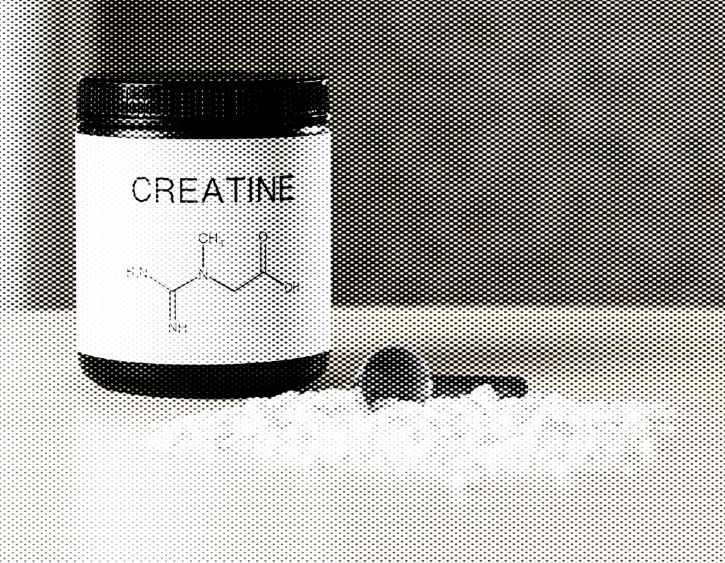
Creatine stands as one of the most extensively researched and effective sports supplements available today, with benefits extending beyond athletic performance to general health and clinical applications. This summary provides actionable insights on creatine supplementation based on scientific evidence and practical implementation strategies.
Key Takeaways
Creatine is a naturally occurring compound that plays a crucial role in energy production during high-intensity, short-duration activities
Creatine monohydrate is the most studied and effective form with proven bioavailability
Benefits extend to various populations including athletes, older adults, vegetarians/vegans, and certain clinical populations
Supplementation is safe for healthy individuals with no evidence of kidney damage or other serious side effects
Proper implementation involves selecting quality products, following evidence-based dosing protocols, and maintaining consistency
The Science of Creatine
What Is Creatine?
Creatine is a non-protein compound composed of three amino acids: glycine, arginine, and methionine. Approximately 95% of the body's creatine stores are found in skeletal muscle, with the remainder distributed in blood, brain, testes, and other tissues. The typical muscle creatine content is about 120 mmol per kilogram of dry muscle mass but can reach up to 160 mmol/kg through supplementation.
How Creatine Works
The creatine-phosphocreatine system serves as a rapid energy reserve during high-intensity activities:
During rest, creatine is phosphorylated to form phosphocreatine
During intense exercise, phosphocreatine rapidly transfers a phosphate group to ADP to regenerate ATP
This process provides immediate energy without oxygen (anaerobic)
The system is particularly important during activities lasting up to 30 seconds
Natural Sources vs. Supplementation
While creatine can be synthesized in the body and obtained from animal products (especially meat and fish), supplementation allows for more precise and higher intake to maximize muscle stores. An omnivorous diet provides roughly half of the daily requirement (1-3g), while vegetarian/vegan diets contain minimal creatine, resulting in lower muscle creatine levels.
Effective Implementation Strategies
Selecting the Right Form
Creatine monohydrate remains the gold standard despite numerous other forms on the market (creatine ethyl ester, buffered creatine, liquid creatine, creatine HCL). When choosing creatine, prioritize:
Third-party tested products
Pharmaceutical-grade creatine monohydrate (e.g., Creapure®)
Products free from unnecessary additives
Evidence-Based Dosing Protocols
Several effective dosing strategies exist:
Loading Phase Protocol
Initial loading: 0.3 g/kg/day (typically ~20g/day) divided into 4 equal doses for 5-7 days
Maintenance phase: 3-5 g/day thereafter
Benefit: Rapidly saturates muscle creatine stores for quicker effects
No Loading Phase Protocol
Consistent dosing: 3-5 g/day for 28+ days
Benefit: Gradually increases creatine stores with potentially fewer side effects
Timing Considerations
Post-workout consumption may capitalize on increased muscle blood flow
Taking creatine with carbohydrates may enhance uptake
Daily consistency helps maintain elevated muscle stores
Maximizing Effectiveness
To optimize creatine supplementation:
Stay well-hydrated as creatine increases water retention in muscles
Combine with carbohydrates (30-50g) to enhance uptake
Maintain consistent daily intake
Pair with resistance training to amplify benefits
Be patient, as some effects may take weeks to become noticeable
Synergistic Combinations
Research suggests certain combinations enhance creatine's effects:
Creatine + protein: May provide synergistic effects for muscle protein synthesis
Creatine + carbohydrates: Insulin response may enhance creatine uptake
Creatine + resistance training: Produces greater improvements in strength and muscle mass than either alone
Applications for Different Populations
For Athletes and Fitness Enthusiasts
Strength Athletes (Powerlifters, Olympic Weightlifters)
Loading phase recommended to maximize strength gains quickly
Combine with periodized resistance training
Monitor strength improvements and body composition changes
Team Sport Athletes
Benefits for repeated sprint ability
Consider timing around competitive season
Focus on power output and recovery between high-intensity efforts
Endurance Athletes
Improved high-intensity interval training capacity
Consider smaller doses (3-5g daily) without loading phase
Benefits for sprint finishes and high-intensity segments
For Older Adults
Creatine offers particular benefits for addressing age-related concerns:
Dosing: 3-5g daily, potentially with a gentler loading phase
Most effective when combined with resistance exercise (2-3 sessions/week)
Helps maintain muscle mass and strength, support bone health, and potentially preserve cognitive function
Track functional metrics like grip strength, walking speed, and ability to perform daily activities
For Vegetarians and Vegans
Plant-based dieters may experience enhanced benefits due to lower baseline creatine levels:
Research shows vegetarians may experience larger increases in muscle creatine content and performance
Standard dosing protocols apply, with potentially greater response to loading phase
Helps address naturally lower creatine stores due to dietary patterns
Common Misconceptions and Challenges
Widespread Myths
Despite extensive research supporting its safety, several myths persist:
Myth: Creatine damages kidneys
Reality: Multiple studies show no adverse effects on kidney function in healthy individuals
Myth: Creatine is only for bodybuilders
Reality: Benefits extend to various populations including older adults and vegetarians
Myth: Creatine causes dehydration
Reality: Creatine actually increases water retention in muscles
Myth: Creatine is a steroid or hormone
Reality: Creatine is a naturally occurring compound made from amino acids
Individual Response Variability
Not everyone responds equally to creatine supplementation:
Approximately 20-30% of individuals may be "non-responders"
Factors influencing response include muscle fiber type, initial creatine levels, training status, and genetics
Responders typically show a greater percentage of Type II muscle fibers
Tracking Progress and Making Adjustments
Monitoring Results
Track these parameters to assess effectiveness:
Performance metrics: strength, power output, repetitions at submaximal loads
Body composition changes: expect 1-2kg increase during first week due to water retention
Subjective measures: recovery between workouts, energy levels during training
Adjusting Protocols Based on Response
For non-responders:
Consider extending the loading phase
Try splitting doses into smaller, more frequent amounts
Ensure adequate carbohydrate intake with creatine
For those experiencing digestive discomfort:
Reduce loading dose or skip loading phase
Split daily intake into smaller doses
Take with meals rather than on empty stomach
Getting Started: Practical Implementation
Choose a high-quality creatine monohydrate from a reputable manufacturer
Decide between loading protocol (faster results) or no-loading protocol (more gradual)
Establish baseline measurements of strength, body composition, and performance
Start supplementation following your chosen protocol consistently
Increase water intake, especially during the loading phase
Document changes in performance and body composition
By understanding the science, selecting the right protocol, and implementing consistently alongside appropriate training and nutrition, you can maximize the benefits of this versatile supplement for performance, health, and longevity.
Conclusion
Creatine stands as one of the most thoroughly researched and effective supplements available today, with benefits extending far beyond athletic performance to general health and clinical applications. The evidence strongly supports its safety and efficacy for most healthy individuals across various populations including athletes, older adults, vegetarians/vegans, and certain clinical groups.
Success with creatine supplementation depends on understanding the science, selecting the right protocol (whether loading or non-loading), and implementing it consistently alongside appropriate training and nutrition. By choosing high-quality creatine monohydrate, following evidence-based dosing protocols, staying well-hydrated, and monitoring your results, you can maximize the benefits of this versatile supplement.
Remember that individual responses vary-while some effects may be noticeable within days (particularly with loading protocols), others may take weeks to manifest. The key is consistency, patience, and adjusting your approach based on your personal response. Whether you're seeking performance improvements, combating age-related muscle loss, or exploring creatine's emerging health benefits, this supplement offers a safe, effective, and well-supported option for enhancing physical and potentially cognitive function.
Creatine stands as one of the most extensively researched and effective sports supplements available today, with benefits extending beyond athletic performance to general health and clinical applications. This summary provides actionable insights on creatine supplementation based on scientific evidence and practical implementation strategies.
Key Takeaways
Creatine is a naturally occurring compound that plays a crucial role in energy production during high-intensity, short-duration activities
Creatine monohydrate is the most studied and effective form with proven bioavailability
Benefits extend to various populations including athletes, older adults, vegetarians/vegans, and certain clinical populations
Supplementation is safe for healthy individuals with no evidence of kidney damage or other serious side effects
Proper implementation involves selecting quality products, following evidence-based dosing protocols, and maintaining consistency
The Science of Creatine
What Is Creatine?
Creatine is a non-protein compound composed of three amino acids: glycine, arginine, and methionine. Approximately 95% of the body's creatine stores are found in skeletal muscle, with the remainder distributed in blood, brain, testes, and other tissues. The typical muscle creatine content is about 120 mmol per kilogram of dry muscle mass but can reach up to 160 mmol/kg through supplementation.
How Creatine Works
The creatine-phosphocreatine system serves as a rapid energy reserve during high-intensity activities:
During rest, creatine is phosphorylated to form phosphocreatine
During intense exercise, phosphocreatine rapidly transfers a phosphate group to ADP to regenerate ATP
This process provides immediate energy without oxygen (anaerobic)
The system is particularly important during activities lasting up to 30 seconds
Natural Sources vs. Supplementation
While creatine can be synthesized in the body and obtained from animal products (especially meat and fish), supplementation allows for more precise and higher intake to maximize muscle stores. An omnivorous diet provides roughly half of the daily requirement (1-3g), while vegetarian/vegan diets contain minimal creatine, resulting in lower muscle creatine levels.
Effective Implementation Strategies
Selecting the Right Form
Creatine monohydrate remains the gold standard despite numerous other forms on the market (creatine ethyl ester, buffered creatine, liquid creatine, creatine HCL). When choosing creatine, prioritize:
Third-party tested products
Pharmaceutical-grade creatine monohydrate (e.g., Creapure®)
Products free from unnecessary additives
Evidence-Based Dosing Protocols
Several effective dosing strategies exist:
Loading Phase Protocol
Initial loading: 0.3 g/kg/day (typically ~20g/day) divided into 4 equal doses for 5-7 days
Maintenance phase: 3-5 g/day thereafter
Benefit: Rapidly saturates muscle creatine stores for quicker effects
No Loading Phase Protocol
Consistent dosing: 3-5 g/day for 28+ days
Benefit: Gradually increases creatine stores with potentially fewer side effects
Timing Considerations
Post-workout consumption may capitalize on increased muscle blood flow
Taking creatine with carbohydrates may enhance uptake
Daily consistency helps maintain elevated muscle stores
Maximizing Effectiveness
To optimize creatine supplementation:
Stay well-hydrated as creatine increases water retention in muscles
Combine with carbohydrates (30-50g) to enhance uptake
Maintain consistent daily intake
Pair with resistance training to amplify benefits
Be patient, as some effects may take weeks to become noticeable
Synergistic Combinations
Research suggests certain combinations enhance creatine's effects:
Creatine + protein: May provide synergistic effects for muscle protein synthesis
Creatine + carbohydrates: Insulin response may enhance creatine uptake
Creatine + resistance training: Produces greater improvements in strength and muscle mass than either alone
Applications for Different Populations
For Athletes and Fitness Enthusiasts
Strength Athletes (Powerlifters, Olympic Weightlifters)
Loading phase recommended to maximize strength gains quickly
Combine with periodized resistance training
Monitor strength improvements and body composition changes
Team Sport Athletes
Benefits for repeated sprint ability
Consider timing around competitive season
Focus on power output and recovery between high-intensity efforts
Endurance Athletes
Improved high-intensity interval training capacity
Consider smaller doses (3-5g daily) without loading phase
Benefits for sprint finishes and high-intensity segments
For Older Adults
Creatine offers particular benefits for addressing age-related concerns:
Dosing: 3-5g daily, potentially with a gentler loading phase
Most effective when combined with resistance exercise (2-3 sessions/week)
Helps maintain muscle mass and strength, support bone health, and potentially preserve cognitive function
Track functional metrics like grip strength, walking speed, and ability to perform daily activities
For Vegetarians and Vegans
Plant-based dieters may experience enhanced benefits due to lower baseline creatine levels:
Research shows vegetarians may experience larger increases in muscle creatine content and performance
Standard dosing protocols apply, with potentially greater response to loading phase
Helps address naturally lower creatine stores due to dietary patterns
Common Misconceptions and Challenges
Widespread Myths
Despite extensive research supporting its safety, several myths persist:
Myth: Creatine damages kidneys
Reality: Multiple studies show no adverse effects on kidney function in healthy individuals
Myth: Creatine is only for bodybuilders
Reality: Benefits extend to various populations including older adults and vegetarians
Myth: Creatine causes dehydration
Reality: Creatine actually increases water retention in muscles
Myth: Creatine is a steroid or hormone
Reality: Creatine is a naturally occurring compound made from amino acids
Individual Response Variability
Not everyone responds equally to creatine supplementation:
Approximately 20-30% of individuals may be "non-responders"
Factors influencing response include muscle fiber type, initial creatine levels, training status, and genetics
Responders typically show a greater percentage of Type II muscle fibers
Tracking Progress and Making Adjustments
Monitoring Results
Track these parameters to assess effectiveness:
Performance metrics: strength, power output, repetitions at submaximal loads
Body composition changes: expect 1-2kg increase during first week due to water retention
Subjective measures: recovery between workouts, energy levels during training
Adjusting Protocols Based on Response
For non-responders:
Consider extending the loading phase
Try splitting doses into smaller, more frequent amounts
Ensure adequate carbohydrate intake with creatine
For those experiencing digestive discomfort:
Reduce loading dose or skip loading phase
Split daily intake into smaller doses
Take with meals rather than on empty stomach
Getting Started: Practical Implementation
Choose a high-quality creatine monohydrate from a reputable manufacturer
Decide between loading protocol (faster results) or no-loading protocol (more gradual)
Establish baseline measurements of strength, body composition, and performance
Start supplementation following your chosen protocol consistently
Increase water intake, especially during the loading phase
Document changes in performance and body composition
By understanding the science, selecting the right protocol, and implementing consistently alongside appropriate training and nutrition, you can maximize the benefits of this versatile supplement for performance, health, and longevity.
Conclusion
Creatine stands as one of the most thoroughly researched and effective supplements available today, with benefits extending far beyond athletic performance to general health and clinical applications. The evidence strongly supports its safety and efficacy for most healthy individuals across various populations including athletes, older adults, vegetarians/vegans, and certain clinical groups.
Success with creatine supplementation depends on understanding the science, selecting the right protocol (whether loading or non-loading), and implementing it consistently alongside appropriate training and nutrition. By choosing high-quality creatine monohydrate, following evidence-based dosing protocols, staying well-hydrated, and monitoring your results, you can maximize the benefits of this versatile supplement.
Remember that individual responses vary-while some effects may be noticeable within days (particularly with loading protocols), others may take weeks to manifest. The key is consistency, patience, and adjusting your approach based on your personal response. Whether you're seeking performance improvements, combating age-related muscle loss, or exploring creatine's emerging health benefits, this supplement offers a safe, effective, and well-supported option for enhancing physical and potentially cognitive function.