How to Build the Perfect Supplement Stack
How to Build the Perfect Supplement Stack
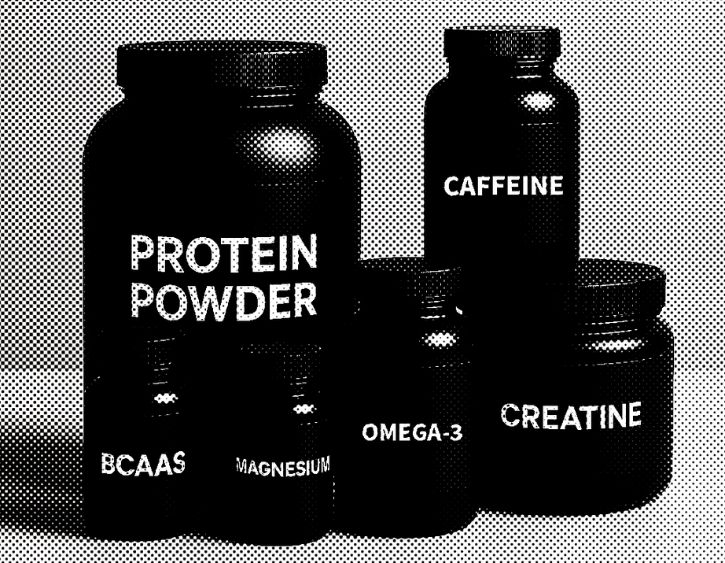
The strategic combination of dietary supplements, known as supplement stacking, can create synergistic effects that enhance health, performance, and overall wellbeing beyond what individual supplements can achieve alone. This approach targets multiple physiological pathways simultaneously to deliver comprehensive benefits tailored to individual needs and goals.
Understanding Supplement Stacks
A supplement stack is a strategically organized collection of dietary supplements designed to work harmoniously together. The effectiveness of stacking is rooted in nutrient synergy-where combined nutrients produce greater physiological impact than when consumed individually.
Key Mechanisms of Nutrient Synergy:
Enhanced Absorption and Bioavailability: Certain nutrients improve the absorption of others (e.g., vitamin D enhances calcium absorption)
Complementary Biochemical Pathways: Different supplements target connected metabolic pathways for more comprehensive effects
Protective and Reinforcing Effects: Some nutrients protect others from degradation, preserving their efficacy
Types of Supplement Interactions:
Synergistic Combinations: Amplify each other's effects (e.g., multi-ingredient supplements show greater gains in fat-free mass than protein alone)
Complementary Pairings: One supplement provides what another lacks (e.g., L-Theanine reduces caffeine's side effects while preserving benefits)
Multiple Pathway Targeting: Supplements that enhance the same aspect of performance through different mechanisms
Physiological Effects on Body Systems
Central Nervous System and Cognitive Function
Well-designed stacks can support brain function through multiple mechanisms simultaneously. For example, phosphatidylserine supports brain cell membrane maintenance while optimizing cell-to-cell communication. B vitamins (folic acid, B6, B12) work together to regulate homocysteine levels, supporting both cardiovascular and cognitive health.
Muscular and Skeletal Systems
Research shows multi-ingredient supplements produce significantly greater gains in fat-free mass and strength compared to single ingredients like protein alone. Effective stacks simultaneously address protein synthesis, energy production, inflammation modulation, hormonal optimization, and neuromuscular efficiency.
Endocrine and Metabolic Systems
Supplement stacks can influence hormonal balance through complementary mechanisms. For instance, the combination of chromium, alpha-lipoic acid, and berberine targets multiple aspects of glucose metabolism-insulin sensitivity, glucose transport, and mitochondrial function.
Immune System
A comprehensive immune support stack typically addresses multiple aspects:
Providing essential building blocks for immune cell production
Supporting antioxidant defense systems
Modulating inflammatory responses
Enhancing barrier function of mucous membranes
Supporting gut health
Benefits, Risks, and Limitations
Demonstrated Benefits:
Enhanced effectiveness compared to isolated nutrients
Comprehensive nutritional support through foundational formulations
Targeted physiological impact through complementary mechanisms
Potential Risks:
Adverse interactions between certain supplements (e.g., magnesium and calcium compete for absorption)
Risk of overconsumption, particularly with fat-soluble vitamins and certain minerals
Individual variability in response based on genetics, health status, and other factors
Building Your Perfect Supplement Stack
Step 1: Assess Individual Needs and Set Clear Goals
Before selecting supplements, consider:
Age, gender, and current health status
Dietary patterns and potential nutritional gaps
Activity level and exercise regimen
Existing medical conditions and medications
Specific health or performance goals
Step 2: Establish a Strong Foundation
Begin with foundational supplements that address broad nutritional needs:
High-quality multivitamin/mineral
Omega-3 fatty acids
Vitamin D
Probiotics
Step 3: Add Targeted Supplements Based on Specific Goals
For Cognitive Enhancement:
Phosphatidylserine for brain health and memory
Caffeine + L-Theanine for improved focus without jitters
Bacopa monnieri for memory and stress management
For Physical Performance:
Creatine monohydrate for strength and power
Beta-alanine for endurance
Citrulline malate for improved blood flow
BCAAs for muscle preservation and recovery
For General Wellness:
Adaptogenic herbs for stress management
Curcumin with black pepper extract for anti-inflammatory support
CoQ10 for cellular energy and cardiovascular health
Step 4: Optimize Timing and Dosing
Consider meal timing (some supplements are better absorbed with food)
Align with exercise timing (pre-workout vs. recovery supplements)
Account for circadian considerations (avoid stimulants in evening)
Space out supplements that compete for absorption
Adhere to evidence-based dosage recommendations
Step 5: Start Simple and Gradually Build
Begin with your foundation plus 1-2 targeted supplements, then gradually add components while monitoring effects. A typical effective stack consists of 3-5 supplements.
Step 6: Monitor, Document, and Adjust
Take baseline measurements before starting
Maintain a supplement journal noting intake and effects
Reassess progress every 4-8 weeks
Make strategic adjustments based on results
Consider professional consultation for complex health concerns
Common Misconceptions
Myth 1: More supplements always equal better results.
Reality: A focused stack of 3-5 well-chosen supplements typically delivers superior results compared to numerous products.
Myth 2: All supplements work well together.
Reality: Some combinations can cancel each other out or produce negative outcomes.
Myth 3: Scientific evidence supports most popular supplement combinations.
Reality: Many commercially promoted combinations lack robust clinical evidence.
Myth 4: Supplement stacks work equally well for everyone.
Reality: Individual response varies significantly based on genetics, nutritional status, gut health, and other factors.
Myth 5: Supplement stacks can replace a healthy diet.
Reality: Even comprehensive stacks cannot replicate the complex benefits of whole foods containing thousands of phytonutrients.
Sample Supplement Stacks
Foundation Stack for General Wellness:
Comprehensive multivitamin/mineral
Omega-3 fatty acids (EPA/DHA)
Vitamin D3 + K2
Probiotic (multiple strains)
Cognitive Enhancement Stack:
Foundation stack
Phosphatidylserine
Caffeine + L-Theanine
Bacopa Monnieri
Athletic Performance Stack:
Foundation stack
Whey protein isolate
Creatine monohydrate
Beta-alanine
Citrulline malate
The perfect supplement stack is not universal but highly individualized-a carefully calibrated combination aligned with your specific needs and goals, continually refined through systematic assessment and adjustment.
The strategic combination of dietary supplements, known as supplement stacking, can create synergistic effects that enhance health, performance, and overall wellbeing beyond what individual supplements can achieve alone. This approach targets multiple physiological pathways simultaneously to deliver comprehensive benefits tailored to individual needs and goals.
Understanding Supplement Stacks
A supplement stack is a strategically organized collection of dietary supplements designed to work harmoniously together. The effectiveness of stacking is rooted in nutrient synergy-where combined nutrients produce greater physiological impact than when consumed individually.
Key Mechanisms of Nutrient Synergy:
Enhanced Absorption and Bioavailability: Certain nutrients improve the absorption of others (e.g., vitamin D enhances calcium absorption)
Complementary Biochemical Pathways: Different supplements target connected metabolic pathways for more comprehensive effects
Protective and Reinforcing Effects: Some nutrients protect others from degradation, preserving their efficacy
Types of Supplement Interactions:
Synergistic Combinations: Amplify each other's effects (e.g., multi-ingredient supplements show greater gains in fat-free mass than protein alone)
Complementary Pairings: One supplement provides what another lacks (e.g., L-Theanine reduces caffeine's side effects while preserving benefits)
Multiple Pathway Targeting: Supplements that enhance the same aspect of performance through different mechanisms
Physiological Effects on Body Systems
Central Nervous System and Cognitive Function
Well-designed stacks can support brain function through multiple mechanisms simultaneously. For example, phosphatidylserine supports brain cell membrane maintenance while optimizing cell-to-cell communication. B vitamins (folic acid, B6, B12) work together to regulate homocysteine levels, supporting both cardiovascular and cognitive health.
Muscular and Skeletal Systems
Research shows multi-ingredient supplements produce significantly greater gains in fat-free mass and strength compared to single ingredients like protein alone. Effective stacks simultaneously address protein synthesis, energy production, inflammation modulation, hormonal optimization, and neuromuscular efficiency.
Endocrine and Metabolic Systems
Supplement stacks can influence hormonal balance through complementary mechanisms. For instance, the combination of chromium, alpha-lipoic acid, and berberine targets multiple aspects of glucose metabolism-insulin sensitivity, glucose transport, and mitochondrial function.
Immune System
A comprehensive immune support stack typically addresses multiple aspects:
Providing essential building blocks for immune cell production
Supporting antioxidant defense systems
Modulating inflammatory responses
Enhancing barrier function of mucous membranes
Supporting gut health
Benefits, Risks, and Limitations
Demonstrated Benefits:
Enhanced effectiveness compared to isolated nutrients
Comprehensive nutritional support through foundational formulations
Targeted physiological impact through complementary mechanisms
Potential Risks:
Adverse interactions between certain supplements (e.g., magnesium and calcium compete for absorption)
Risk of overconsumption, particularly with fat-soluble vitamins and certain minerals
Individual variability in response based on genetics, health status, and other factors
Building Your Perfect Supplement Stack
Step 1: Assess Individual Needs and Set Clear Goals
Before selecting supplements, consider:
Age, gender, and current health status
Dietary patterns and potential nutritional gaps
Activity level and exercise regimen
Existing medical conditions and medications
Specific health or performance goals
Step 2: Establish a Strong Foundation
Begin with foundational supplements that address broad nutritional needs:
High-quality multivitamin/mineral
Omega-3 fatty acids
Vitamin D
Probiotics
Step 3: Add Targeted Supplements Based on Specific Goals
For Cognitive Enhancement:
Phosphatidylserine for brain health and memory
Caffeine + L-Theanine for improved focus without jitters
Bacopa monnieri for memory and stress management
For Physical Performance:
Creatine monohydrate for strength and power
Beta-alanine for endurance
Citrulline malate for improved blood flow
BCAAs for muscle preservation and recovery
For General Wellness:
Adaptogenic herbs for stress management
Curcumin with black pepper extract for anti-inflammatory support
CoQ10 for cellular energy and cardiovascular health
Step 4: Optimize Timing and Dosing
Consider meal timing (some supplements are better absorbed with food)
Align with exercise timing (pre-workout vs. recovery supplements)
Account for circadian considerations (avoid stimulants in evening)
Space out supplements that compete for absorption
Adhere to evidence-based dosage recommendations
Step 5: Start Simple and Gradually Build
Begin with your foundation plus 1-2 targeted supplements, then gradually add components while monitoring effects. A typical effective stack consists of 3-5 supplements.
Step 6: Monitor, Document, and Adjust
Take baseline measurements before starting
Maintain a supplement journal noting intake and effects
Reassess progress every 4-8 weeks
Make strategic adjustments based on results
Consider professional consultation for complex health concerns
Common Misconceptions
Myth 1: More supplements always equal better results.
Reality: A focused stack of 3-5 well-chosen supplements typically delivers superior results compared to numerous products.
Myth 2: All supplements work well together.
Reality: Some combinations can cancel each other out or produce negative outcomes.
Myth 3: Scientific evidence supports most popular supplement combinations.
Reality: Many commercially promoted combinations lack robust clinical evidence.
Myth 4: Supplement stacks work equally well for everyone.
Reality: Individual response varies significantly based on genetics, nutritional status, gut health, and other factors.
Myth 5: Supplement stacks can replace a healthy diet.
Reality: Even comprehensive stacks cannot replicate the complex benefits of whole foods containing thousands of phytonutrients.
Sample Supplement Stacks
Foundation Stack for General Wellness:
Comprehensive multivitamin/mineral
Omega-3 fatty acids (EPA/DHA)
Vitamin D3 + K2
Probiotic (multiple strains)
Cognitive Enhancement Stack:
Foundation stack
Phosphatidylserine
Caffeine + L-Theanine
Bacopa Monnieri
Athletic Performance Stack:
Foundation stack
Whey protein isolate
Creatine monohydrate
Beta-alanine
Citrulline malate
The perfect supplement stack is not universal but highly individualized-a carefully calibrated combination aligned with your specific needs and goals, continually refined through systematic assessment and adjustment.