Joint and Bone Health
Joint and Bone Health
Bone and joint health is a critical component of overall wellbeing, affecting approximately 25% of Europeans and representing the leading cause of disability worldwide. This summary provides essential information on maintaining optimal skeletal health through evidence-based approaches.
Understanding Bone and Joint Dynamics
Bones and joints form the fundamental architecture of the human body, providing structural support, enabling movement, protecting vital organs, storing minerals, and participating in blood cell production. The bone remodeling process involves a continuous balance between bone resorption (breakdown) by osteoclasts and bone formation by osteoblasts, regulated by various growth factors and cytokines.
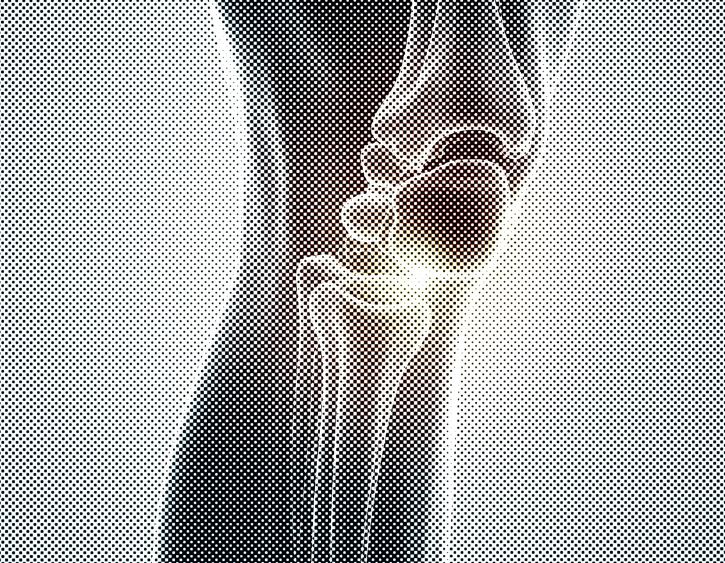
Joints are complex structures where bones meet, consisting of cartilage, synovial fluid, ligaments, tendons, and in some cases, menisci and bursae. The entire joint organ functions as an interconnected system, meaning dysfunction in one component can lead to problems throughout the joint.
Systemic Effects of Bone and Joint Health
Poor bone and joint health extends beyond localized issues:
Mobility and Physical Function: Musculoskeletal conditions significantly limit movement, with up to 60% of people on early retirement or long-term sick leave citing these problems.
Connection to Other Body Systems: Affects cardiovascular health (through reduced activity), metabolic function (bones store and release minerals), immune function (bone marrow houses immune cells), neurological function (nervous system regulates bone remodeling), and endocrine function (hormones influence bone metabolism).
Psychological and Social Impact: Chronic pain can lead to depression, anxiety, sleep disturbances, and social isolation.
Economic Impact: Osteoporosis alone causes approximately 1.5 million fractures in the United States annually, resulting in $19 billion in associated costs, with fractures expected to rise by 68% from 2018 to 2040.
Evidence-Based Benefits and Risks
Benefits of Optimal Bone and Joint Health:
Preserved mobility and independence
Reduced pain (structured exercise programs can reduce pain in knee osteoarthritis by 28% with just 10% weight reduction)
Lower fracture risk
Improved quality of life
Economic benefits through reduced healthcare costs
Risks of Poor Bone and Joint Health:
Osteoporosis and increased fracture risk
Osteoarthritis and joint degeneration
Increased fall risk
Chronic pain
Disability and loss of independence
Actionable Strategies for Optimizing Bone and Joint Health
Exercise Protocols
For General Bone Health (3-5 days per week, 30-60 minutes per session):
Weight-bearing exercises: brisk walking, jogging, racket sports, climbing stairs, dancing
Resistance training (2-3 non-consecutive days per week): weight machines, free weights, resistance bands, body weight exercises
Balance training (daily): standing on one foot, tai chi, yoga
For Those with Osteoporosis or Osteopenia:
Resistance exercise: 50-85% of 1-repetition maximum, 5-12 repetitions/set, 2-3 days/week
Impact exercises: jumping exercises, 50 jumps/session, 3+ days/week for at least 6 months
Progressive muscle resistance training: hinge movements, push exercises, pull exercises, squat variations
For Joint Health, Especially with Osteoarthritis:
Knee-specific exercises: leg extensions, inner leg squeezes, wall sits
Low-impact aerobic activities: swimming, water aerobics, cycling, walking
Joint-friendly movement patterns: interval training, variety in movements, gradual progression
Nutritional Strategies
Key Recommendations:
Calcium: 1000-1200mg daily from dairy products, leafy greens, fortified foods
Vitamin D: 600-800 IU daily from fatty fish, egg yolks, sunlight exposure
Protein: 0.8-1.2g/kg body weight daily from lean meats, fish, eggs, dairy, legumes
Omega-3 Fatty Acids: From fish oil, flaxseeds, walnuts
Hydration: Essential for maintaining cartilage elasticity and joint lubrication
Weight Management: 10% weight reduction can improve joint function by 28%
Supplement Considerations:
Calcium: Calcium carbonate (40% elemental calcium) with food or calcium citrate (21% elemental calcium) anytime
Vitamin D: D3 (cholecalciferol) preferred, taken with fat-containing meals
Glucosamine and Chondroitin: 1500mg and 1200mg daily respectively, may require 2-3 months for effects
Collagen: 10-15g daily for joint health, best taken on an empty stomach
Magnesium: 300-400mg daily, citrate, glycinate or malate forms for better absorption
Lifestyle Modifications
Smoking Cessation: Smoking weakens bones and increases fracture risk
Moderate Alcohol Consumption: Limit to 1 drink daily for women, 1-2 for men
Proper Posture and Ergonomics: Use ergonomic chairs, adjust computer screens to eye level, practice proper lifting techniques
Fall Prevention: Remove home hazards, improve lighting, install grab bars, wear supportive footwear
Stress Management: Practice meditation, deep breathing, progressive muscle relaxation
Joint Protection Techniques: Use larger joints for heavy tasks, distribute weight across multiple joints, use assistive devices when needed
Debunking Common Myths
Myth: Osteoporosis only affects elderly women.
Reality: It can affect anyone, including men and younger individuals.
Myth: Exercise is harmful for painful joints.
Reality: Appropriate exercise is beneficial and can reduce pain and improve function.
Myth: Weak bones are inevitable with aging.
Reality: Significant bone weakening can be prevented with proper exercise and nutrition.
Myth: Supplements alone can solve bone and joint problems.
Reality: Supplements should complement exercise, nutrition, and lifestyle modifications.
Myth: You can feel when your bones get weaker.
Reality: Bone loss typically occurs silently until a fracture happens.
Immediate Action Steps
Begin a progressive exercise program combining weight-bearing activity, resistance training, and balance exercises
Optimize nutrition with calcium-rich foods, adequate vitamin D, protein with each meal, and anti-inflammatory foods
Adopt joint-protective habits including good posture, proper body mechanics, and weight management
Create a safer environment by removing trip hazards and using supportive footwear
Work with healthcare providers to assess bone density and develop personalized prevention or treatment plans
By implementing these evidence-based strategies, you can significantly improve your bone and joint health at any age, supporting not just skeletal health but overall wellbeing and quality of life.
Conclusion
Maintaining optimal bone and joint health is essential for overall wellbeing and quality of life. By implementing evidence-based strategies including regular weight-bearing and resistance exercises, proper nutrition with adequate calcium and vitamin D, and protective lifestyle habits, you can significantly improve your skeletal health at any age. The research clearly shows that proactive approaches can prevent or effectively manage many bone and joint problems, even as we age. Remember that bone and joint health affects multiple body systems and has far-reaching consequences for physical function, psychological wellbeing, and economic productivity. Taking action now through consistent exercise, balanced nutrition, and joint-protective habits will help you maintain mobility, reduce pain, and preserve independence throughout your life. Your skeletal system provides the framework for everything you do-investing in its health today will pay dividends for years to come.
Bone and joint health is a critical component of overall wellbeing, affecting approximately 25% of Europeans and representing the leading cause of disability worldwide. This summary provides essential information on maintaining optimal skeletal health through evidence-based approaches.
Understanding Bone and Joint Dynamics
Bones and joints form the fundamental architecture of the human body, providing structural support, enabling movement, protecting vital organs, storing minerals, and participating in blood cell production. The bone remodeling process involves a continuous balance between bone resorption (breakdown) by osteoclasts and bone formation by osteoblasts, regulated by various growth factors and cytokines.
Joints are complex structures where bones meet, consisting of cartilage, synovial fluid, ligaments, tendons, and in some cases, menisci and bursae. The entire joint organ functions as an interconnected system, meaning dysfunction in one component can lead to problems throughout the joint.
Systemic Effects of Bone and Joint Health
Poor bone and joint health extends beyond localized issues:
Mobility and Physical Function: Musculoskeletal conditions significantly limit movement, with up to 60% of people on early retirement or long-term sick leave citing these problems.
Connection to Other Body Systems: Affects cardiovascular health (through reduced activity), metabolic function (bones store and release minerals), immune function (bone marrow houses immune cells), neurological function (nervous system regulates bone remodeling), and endocrine function (hormones influence bone metabolism).
Psychological and Social Impact: Chronic pain can lead to depression, anxiety, sleep disturbances, and social isolation.
Economic Impact: Osteoporosis alone causes approximately 1.5 million fractures in the United States annually, resulting in $19 billion in associated costs, with fractures expected to rise by 68% from 2018 to 2040.
Evidence-Based Benefits and Risks
Benefits of Optimal Bone and Joint Health:
Preserved mobility and independence
Reduced pain (structured exercise programs can reduce pain in knee osteoarthritis by 28% with just 10% weight reduction)
Lower fracture risk
Improved quality of life
Economic benefits through reduced healthcare costs
Risks of Poor Bone and Joint Health:
Osteoporosis and increased fracture risk
Osteoarthritis and joint degeneration
Increased fall risk
Chronic pain
Disability and loss of independence
Actionable Strategies for Optimizing Bone and Joint Health
Exercise Protocols
For General Bone Health (3-5 days per week, 30-60 minutes per session):
Weight-bearing exercises: brisk walking, jogging, racket sports, climbing stairs, dancing
Resistance training (2-3 non-consecutive days per week): weight machines, free weights, resistance bands, body weight exercises
Balance training (daily): standing on one foot, tai chi, yoga
For Those with Osteoporosis or Osteopenia:
Resistance exercise: 50-85% of 1-repetition maximum, 5-12 repetitions/set, 2-3 days/week
Impact exercises: jumping exercises, 50 jumps/session, 3+ days/week for at least 6 months
Progressive muscle resistance training: hinge movements, push exercises, pull exercises, squat variations
For Joint Health, Especially with Osteoarthritis:
Knee-specific exercises: leg extensions, inner leg squeezes, wall sits
Low-impact aerobic activities: swimming, water aerobics, cycling, walking
Joint-friendly movement patterns: interval training, variety in movements, gradual progression
Nutritional Strategies
Key Recommendations:
Calcium: 1000-1200mg daily from dairy products, leafy greens, fortified foods
Vitamin D: 600-800 IU daily from fatty fish, egg yolks, sunlight exposure
Protein: 0.8-1.2g/kg body weight daily from lean meats, fish, eggs, dairy, legumes
Omega-3 Fatty Acids: From fish oil, flaxseeds, walnuts
Hydration: Essential for maintaining cartilage elasticity and joint lubrication
Weight Management: 10% weight reduction can improve joint function by 28%
Supplement Considerations:
Calcium: Calcium carbonate (40% elemental calcium) with food or calcium citrate (21% elemental calcium) anytime
Vitamin D: D3 (cholecalciferol) preferred, taken with fat-containing meals
Glucosamine and Chondroitin: 1500mg and 1200mg daily respectively, may require 2-3 months for effects
Collagen: 10-15g daily for joint health, best taken on an empty stomach
Magnesium: 300-400mg daily, citrate, glycinate or malate forms for better absorption
Lifestyle Modifications
Smoking Cessation: Smoking weakens bones and increases fracture risk
Moderate Alcohol Consumption: Limit to 1 drink daily for women, 1-2 for men
Proper Posture and Ergonomics: Use ergonomic chairs, adjust computer screens to eye level, practice proper lifting techniques
Fall Prevention: Remove home hazards, improve lighting, install grab bars, wear supportive footwear
Stress Management: Practice meditation, deep breathing, progressive muscle relaxation
Joint Protection Techniques: Use larger joints for heavy tasks, distribute weight across multiple joints, use assistive devices when needed
Debunking Common Myths
Myth: Osteoporosis only affects elderly women.
Reality: It can affect anyone, including men and younger individuals.
Myth: Exercise is harmful for painful joints.
Reality: Appropriate exercise is beneficial and can reduce pain and improve function.
Myth: Weak bones are inevitable with aging.
Reality: Significant bone weakening can be prevented with proper exercise and nutrition.
Myth: Supplements alone can solve bone and joint problems.
Reality: Supplements should complement exercise, nutrition, and lifestyle modifications.
Myth: You can feel when your bones get weaker.
Reality: Bone loss typically occurs silently until a fracture happens.
Immediate Action Steps
Begin a progressive exercise program combining weight-bearing activity, resistance training, and balance exercises
Optimize nutrition with calcium-rich foods, adequate vitamin D, protein with each meal, and anti-inflammatory foods
Adopt joint-protective habits including good posture, proper body mechanics, and weight management
Create a safer environment by removing trip hazards and using supportive footwear
Work with healthcare providers to assess bone density and develop personalized prevention or treatment plans
By implementing these evidence-based strategies, you can significantly improve your bone and joint health at any age, supporting not just skeletal health but overall wellbeing and quality of life.
Conclusion
Maintaining optimal bone and joint health is essential for overall wellbeing and quality of life. By implementing evidence-based strategies including regular weight-bearing and resistance exercises, proper nutrition with adequate calcium and vitamin D, and protective lifestyle habits, you can significantly improve your skeletal health at any age. The research clearly shows that proactive approaches can prevent or effectively manage many bone and joint problems, even as we age. Remember that bone and joint health affects multiple body systems and has far-reaching consequences for physical function, psychological wellbeing, and economic productivity. Taking action now through consistent exercise, balanced nutrition, and joint-protective habits will help you maintain mobility, reduce pain, and preserve independence throughout your life. Your skeletal system provides the framework for everything you do-investing in its health today will pay dividends for years to come.