The Energy Enhancement System (EES)
The Energy Enhancement System (EES)
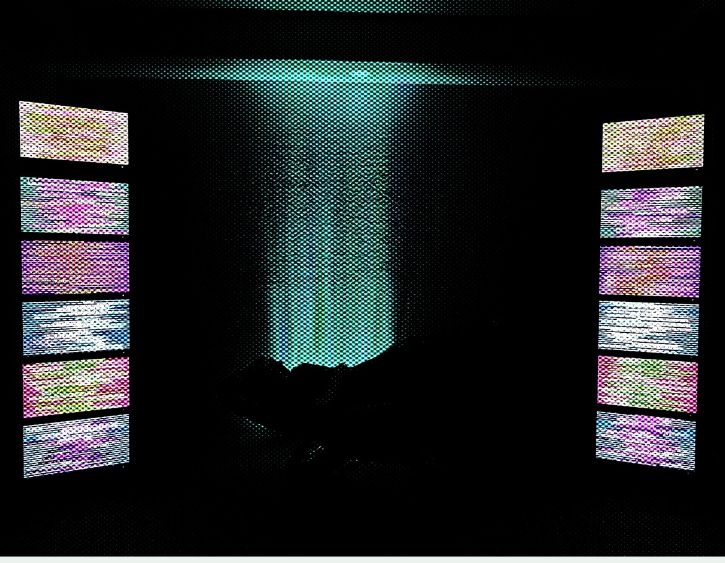
The Energy Enhancement System (EES) is an innovative wellness technology developed by Dr. Sandra Rose Michael that utilizes scalar wave technology to potentially optimize the body's natural energy fields and support healing processes. This summary provides an overview of its principles, reported benefits, scientific evidence, and practical applications.
Core Principles and Technology
The EES consists of specially configured computers with monitors arranged in a specific geometric pattern to generate what proponents describe as a "bio-scalar energy field." The system typically includes 4 to 36 computer units positioned strategically around a room, creating what is described as a "toroidal field" in the center.
The technology integrates four primary components:
Scalar Wave Technology - Based on concepts attributed to Nikola Tesla, these non-linear fields allegedly exist in the fifth dimension outside time and space, can pass through solid matter, and interact with biological systems at the cellular level.
Multiple Energetic Components:
Schumann Resonance (7.83 Hz) - Purportedly helps realign the body with Earth's natural frequency
Fibonacci Sequence - Integrated into programming to transmit coherent patterns aligning with natural growth
Photonic Collision - Precisely aligned screens create an "implosion" that may support cellular energy
Chromotherapy - Different colors displayed correspond to various wavelengths that may influence bodily systems
Proposed Physiological Effects
According to EES theory, the system influences human physiology through several mechanisms:
Cellular Energy Enhancement - Helps restore optimal cellular charge (70-90 millivolts), potentially enhancing mitochondrial function and ATP production
Blood and Circulatory Effects - Unpublished reports claim reduction in rouleaux formation (abnormal stacking of red blood cells), suggesting improvements in blood viscosity and circulation
Neurological Regulation - A published case report noted reduced seizure frequency in a child during EES treatment
Biofield Interactions - Claimed to interact with the body's electromagnetic field, eliminating energetic blockages and promoting homeostasis
Reported Benefits and Research Evidence
Advocates report a wide range of potential benefits:
Enhanced cellular regeneration and tissue repair
Improved immune function
Pain reduction
Detoxification support
Increased energy and vitality
Enhanced mental clarity
Stress reduction and improved sleep
Emotional balance
Support for chronic health conditions
However, scientific evidence supporting these claims is limited. The most notable published evidence is a case report describing reduced seizure frequency in a child. Most other studies remain unpublished or not peer-reviewed in mainstream scientific journals.
Practical Applications and Usage
Standard EES sessions typically follow this structure:
Duration: 1-2 hours per session (2 hours recommended for optimal results)
Frequency: Initially 2-3 sessions per week, potentially reducing as benefits stabilize
Environment: Comfortable recliners or massage tables in a relaxing setting
Activities: Clients may relax, meditate, read, or engage in light movement during sessions
For optimal results, practitioners often recommend:
Proper hydration before and after sessions
Meditation or mindfulness practices during sessions
Complementary lifestyle modifications
Integration with other wellness modalities
Limitations and Considerations
Several important limitations should be noted:
Limited Scientific Evidence: Few peer-reviewed studies exist, with most research having small sample sizes and lacking control groups
Regulatory Status: Not FDA-approved as a medical device in the US
Cost Considerations: Systems can be expensive (reportedly $60,000 for a 12-unit system)
Safety Unknowns: Limited data on long-term effects of repeated exposure to scalar fields
Common Misconceptions
It's important to address several misconceptions about the EES:
Scalar Waves: While scalar fields exist in physics, "scalar waves" as described by EES proponents remain controversial in mainstream physics
Disease Claims: Insufficient evidence exists to support claims of "curing" major diseases
Origin Stories: No credible evidence supports claims that NASA commissioned the technology
Physiological Effects: While some evidence suggests potential physiological effects beyond placebo, more research is needed
Practical Guidelines for Potential Users
If considering EES therapy, these guidelines may help maximize potential benefits:
Consult Healthcare Providers: Discuss with qualified professionals before beginning, especially if managing chronic conditions
Start Gradually: Begin with shorter sessions to assess personal response
Document Experiences: Keep detailed notes about subjective experiences and symptom changes
Research Providers: Choose facilities with transparent information and experienced staff
Manage Expectations: Recognize that individual responses may vary significantly
Complementary Practices
To potentially enhance EES benefits, consider:
Movement Practices: Gentle exercises like yoga, tai chi, or qigong
Nutrition Support: Anti-inflammatory dietary choices
Stress Management: Regular meditation, breathing practices, or nature exposure
Sleep Optimization: Prioritize quality sleep to support potential regenerative processes
Balanced Perspective
The EES represents an intriguing approach at the intersection of energy medicine and technology. While some preliminary evidence suggests potential applications worth investigating, significant research gaps remain regarding mechanisms, efficacy, and long-term safety.
For individuals exploring complementary wellness approaches, the EES may offer a non-invasive option with subjective benefits for relaxation and wellbeing. However, it should complement rather than replace evidence-based medical care for serious health conditions.
The future of EES in healthcare will depend on its ability to transition from anecdotal success to scientifically validated applications-requiring commitment to evidence-based evaluation while maintaining openness to innovative approaches to human health and wellbeing.
For those interested in exploring this technology, a balanced approach combining open-minded inquiry with scientific skepticism is recommended, along with consultation with healthcare providers familiar with both conventional and complementary approaches to wellness.
The Energy Enhancement System (EES) is an innovative wellness technology developed by Dr. Sandra Rose Michael that utilizes scalar wave technology to potentially optimize the body's natural energy fields and support healing processes. This summary provides an overview of its principles, reported benefits, scientific evidence, and practical applications.
Core Principles and Technology
The EES consists of specially configured computers with monitors arranged in a specific geometric pattern to generate what proponents describe as a "bio-scalar energy field." The system typically includes 4 to 36 computer units positioned strategically around a room, creating what is described as a "toroidal field" in the center.
The technology integrates four primary components:
Scalar Wave Technology - Based on concepts attributed to Nikola Tesla, these non-linear fields allegedly exist in the fifth dimension outside time and space, can pass through solid matter, and interact with biological systems at the cellular level.
Multiple Energetic Components:
Schumann Resonance (7.83 Hz) - Purportedly helps realign the body with Earth's natural frequency
Fibonacci Sequence - Integrated into programming to transmit coherent patterns aligning with natural growth
Photonic Collision - Precisely aligned screens create an "implosion" that may support cellular energy
Chromotherapy - Different colors displayed correspond to various wavelengths that may influence bodily systems
Proposed Physiological Effects
According to EES theory, the system influences human physiology through several mechanisms:
Cellular Energy Enhancement - Helps restore optimal cellular charge (70-90 millivolts), potentially enhancing mitochondrial function and ATP production
Blood and Circulatory Effects - Unpublished reports claim reduction in rouleaux formation (abnormal stacking of red blood cells), suggesting improvements in blood viscosity and circulation
Neurological Regulation - A published case report noted reduced seizure frequency in a child during EES treatment
Biofield Interactions - Claimed to interact with the body's electromagnetic field, eliminating energetic blockages and promoting homeostasis
Reported Benefits and Research Evidence
Advocates report a wide range of potential benefits:
Enhanced cellular regeneration and tissue repair
Improved immune function
Pain reduction
Detoxification support
Increased energy and vitality
Enhanced mental clarity
Stress reduction and improved sleep
Emotional balance
Support for chronic health conditions
However, scientific evidence supporting these claims is limited. The most notable published evidence is a case report describing reduced seizure frequency in a child. Most other studies remain unpublished or not peer-reviewed in mainstream scientific journals.
Practical Applications and Usage
Standard EES sessions typically follow this structure:
Duration: 1-2 hours per session (2 hours recommended for optimal results)
Frequency: Initially 2-3 sessions per week, potentially reducing as benefits stabilize
Environment: Comfortable recliners or massage tables in a relaxing setting
Activities: Clients may relax, meditate, read, or engage in light movement during sessions
For optimal results, practitioners often recommend:
Proper hydration before and after sessions
Meditation or mindfulness practices during sessions
Complementary lifestyle modifications
Integration with other wellness modalities
Limitations and Considerations
Several important limitations should be noted:
Limited Scientific Evidence: Few peer-reviewed studies exist, with most research having small sample sizes and lacking control groups
Regulatory Status: Not FDA-approved as a medical device in the US
Cost Considerations: Systems can be expensive (reportedly $60,000 for a 12-unit system)
Safety Unknowns: Limited data on long-term effects of repeated exposure to scalar fields
Common Misconceptions
It's important to address several misconceptions about the EES:
Scalar Waves: While scalar fields exist in physics, "scalar waves" as described by EES proponents remain controversial in mainstream physics
Disease Claims: Insufficient evidence exists to support claims of "curing" major diseases
Origin Stories: No credible evidence supports claims that NASA commissioned the technology
Physiological Effects: While some evidence suggests potential physiological effects beyond placebo, more research is needed
Practical Guidelines for Potential Users
If considering EES therapy, these guidelines may help maximize potential benefits:
Consult Healthcare Providers: Discuss with qualified professionals before beginning, especially if managing chronic conditions
Start Gradually: Begin with shorter sessions to assess personal response
Document Experiences: Keep detailed notes about subjective experiences and symptom changes
Research Providers: Choose facilities with transparent information and experienced staff
Manage Expectations: Recognize that individual responses may vary significantly
Complementary Practices
To potentially enhance EES benefits, consider:
Movement Practices: Gentle exercises like yoga, tai chi, or qigong
Nutrition Support: Anti-inflammatory dietary choices
Stress Management: Regular meditation, breathing practices, or nature exposure
Sleep Optimization: Prioritize quality sleep to support potential regenerative processes
Balanced Perspective
The EES represents an intriguing approach at the intersection of energy medicine and technology. While some preliminary evidence suggests potential applications worth investigating, significant research gaps remain regarding mechanisms, efficacy, and long-term safety.
For individuals exploring complementary wellness approaches, the EES may offer a non-invasive option with subjective benefits for relaxation and wellbeing. However, it should complement rather than replace evidence-based medical care for serious health conditions.
The future of EES in healthcare will depend on its ability to transition from anecdotal success to scientifically validated applications-requiring commitment to evidence-based evaluation while maintaining openness to innovative approaches to human health and wellbeing.
For those interested in exploring this technology, a balanced approach combining open-minded inquiry with scientific skepticism is recommended, along with consultation with healthcare providers familiar with both conventional and complementary approaches to wellness.