Compression boots
Compression boots
Key Takeaways
Compression boots use controlled, sequential air pressure to enhance circulation, lymphatic drainage, and recovery, benefiting a wide range of users-not just elite athletes.
Evidence supports modest but meaningful improvements in muscle soreness, swelling, perceived recovery, and range of motion, especially when used as part of a broader recovery strategy.
Proper usage-right timing, frequency, pressure, and integration with other recovery methods-is crucial for maximizing benefits and minimizing risks.
Compression boots are generally safe for healthy individuals but have specific contraindications and require individualized protocols for optimal results.
Understanding Compression Boots Therapy
What Are Compression Boots?
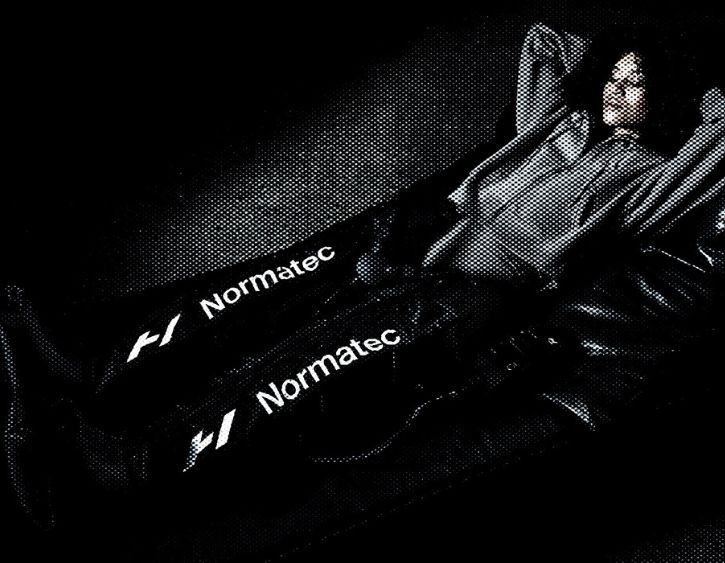
Compression boots, also known as intermittent pneumatic compression (IPC) devices, are inflatable sleeves worn on the legs.
They use a control unit to inflate and deflate multiple chambers sequentially, creating a wave-like pressure from the feet upward.
Originally developed for medical use (e.g., lymphedema, DVT), they are now widely used by athletes, fitness enthusiasts, and those seeking relief from leg fatigue or swelling.
How Do They Work?
The boots mimic the body’s natural muscle pump, helping to move blood and lymph fluid upward toward the heart.
The sequential compression pattern facilitates:
Enhanced venous return (improved blood flow back to the heart)
Increased lymphatic drainage (removal of waste and excess fluid)
Improved delivery of oxygen and nutrients to muscles
More efficient removal of metabolic byproducts (like lactic acid)
Physiological Effects and Evidence-Based Benefits
Cardiovascular System
Enhanced Circulation: Compression boosts the return of deoxygenated blood to the heart, improving reoxygenation and nutrient delivery.
Reduced Venous Pressure: Helps prevent or reduce varicose veins and related discomfort.
Improved Waste Removal: More efficient clearance of metabolic waste after exercise.
Muscular System
Reduced Swelling: Limits post-exercise fluid accumulation (edema).
Decreased Muscle Soreness: Accelerates removal of exercise byproducts, potentially reducing delayed onset muscle soreness (DOMS).
Faster Recovery: Allows for quicker return to training or competition.
Improved Range of Motion: Less swelling and soreness can enhance flexibility and mobility.
Lymphatic System
Enhanced Drainage: Compression assists the lymphatic system (which lacks a central pump) in moving fluid and waste.
Reduced Edema: Helps manage swelling from excess tissue fluid.
Toxin Removal: Supports the body’s natural cleaning processes.
General Wellness
Relief for Prolonged Standing/Sitting: Reduces leg fatigue and swelling for workers or travelers.
Comfort and Relaxation: The massage-like sensation can promote relaxation and stress reduction.
Practical Application: Step-by-Step Recommendations
When and How Often to Use
Frequency: 2–4 sessions per week are typically effective for most users; some may benefit from daily use depending on recovery needs.
Duration: 20–30 minutes per session is generally recommended.
Timing: Best used after intense exercise, on rest days, or between multiple training sessions in a day.
Setting the Right Pressure
Start Low: Beginners should use lower pressure settings and gradually increase as they adapt.
Moderate Pressure is Best: Most benefits are seen with moderate settings; too high can cause discomfort or even harm.
Personalize: Adjust based on your comfort, body composition, and recovery needs. The sensation should be firm but not painful.
Integrating with Other Recovery Methods
Hydration: Stay well-hydrated before, during, and after sessions.
Active Recovery: Light movement or stretching post-session can maintain circulatory benefits.
Comprehensive Routine: Combine with foam rolling, mobility work, proper nutrition, and adequate sleep.
Sample Routine: 20 minutes in boots, 5 minutes foam rolling, 10 minutes mobility exercises.
Safety and Contraindications
Avoid If You Have:
Active DVT or pulmonary embolism
Severe peripheral arterial disease
Untreated congestive heart failure
Acute infections or skin conditions in the area
Recent skin grafts or fragile skin
Monitor for Side Effects:
Discomfort, bruising, or skin irritation (reduce pressure or session length)
Numbness or tingling (immediately decrease pressure)
Muscle fatigue from overuse (stick to recommended frequency and duration)
Myths and Realities
Myth | Reality |
|---|---|
Only elite athletes benefit | Anyone can benefit, including sedentary individuals and those with certain medical needs |
Boots eliminate soreness completely | They reduce, but do not eliminate, muscle soreness |
More pressure = better results | Excessive pressure can be harmful; moderate is usually optimal |
Must use daily for benefit | Even occasional use can help; optimal frequency varies by individual |
Boots are uncomfortable/difficult to use | Modern designs are user-friendly and comfortable |
Actionable Insights for Immediate Implementation
Try Compression Boots After Your Next Hard Workout: Use for 20–30 minutes at a moderate pressure setting.
Integrate Into a Full Recovery Routine: Pair with hydration, foam rolling, and mobility work for best results.
Start Slow: If new to compression therapy, begin with lower pressures and shorter sessions, increasing gradually.
Listen to Your Body: Discontinue use or adjust settings if you experience discomfort, numbness, or irritation.
Consult a Healthcare Provider: Especially if you have underlying health conditions or are unsure about safety.
Don’t Rely Solely on Boots: Use as part of a holistic recovery strategy including sleep, nutrition, and smart training.
Check Insurance Coverage: If using for medical reasons, inquire about possible insurance reimbursement.
Scientific Background (for Credibility)
Compression boots leverage established physiological principles: enhancing venous and lymphatic return, reducing inflammation, and supporting tissue repair.
Evidence from clinical trials and systematic reviews shows modest but significant improvements in muscle soreness, swelling, and perceived recovery, with effects comparable to massage in some studies.
Medical applications (e.g., lymphedema, DVT prevention) are well-supported; athletic and wellness benefits are positive but more variable.
Conclusion
Compression boots offer a practical, evidence-based tool for enhancing recovery and wellness. When used thoughtfully-at the right times, with appropriate pressure, and as part of a broader recovery plan-they can help reduce soreness, swelling, and fatigue, supporting sustained performance and comfort for a diverse range of users. Always individualize your approach, respect contraindications, and integrate compression therapy with other proven recovery strategies for the best results.
Key Takeaways
Compression boots use controlled, sequential air pressure to enhance circulation, lymphatic drainage, and recovery, benefiting a wide range of users-not just elite athletes.
Evidence supports modest but meaningful improvements in muscle soreness, swelling, perceived recovery, and range of motion, especially when used as part of a broader recovery strategy.
Proper usage-right timing, frequency, pressure, and integration with other recovery methods-is crucial for maximizing benefits and minimizing risks.
Compression boots are generally safe for healthy individuals but have specific contraindications and require individualized protocols for optimal results.
Understanding Compression Boots Therapy
What Are Compression Boots?
Compression boots, also known as intermittent pneumatic compression (IPC) devices, are inflatable sleeves worn on the legs.
They use a control unit to inflate and deflate multiple chambers sequentially, creating a wave-like pressure from the feet upward.
Originally developed for medical use (e.g., lymphedema, DVT), they are now widely used by athletes, fitness enthusiasts, and those seeking relief from leg fatigue or swelling.
How Do They Work?
The boots mimic the body’s natural muscle pump, helping to move blood and lymph fluid upward toward the heart.
The sequential compression pattern facilitates:
Enhanced venous return (improved blood flow back to the heart)
Increased lymphatic drainage (removal of waste and excess fluid)
Improved delivery of oxygen and nutrients to muscles
More efficient removal of metabolic byproducts (like lactic acid)
Physiological Effects and Evidence-Based Benefits
Cardiovascular System
Enhanced Circulation: Compression boosts the return of deoxygenated blood to the heart, improving reoxygenation and nutrient delivery.
Reduced Venous Pressure: Helps prevent or reduce varicose veins and related discomfort.
Improved Waste Removal: More efficient clearance of metabolic waste after exercise.
Muscular System
Reduced Swelling: Limits post-exercise fluid accumulation (edema).
Decreased Muscle Soreness: Accelerates removal of exercise byproducts, potentially reducing delayed onset muscle soreness (DOMS).
Faster Recovery: Allows for quicker return to training or competition.
Improved Range of Motion: Less swelling and soreness can enhance flexibility and mobility.
Lymphatic System
Enhanced Drainage: Compression assists the lymphatic system (which lacks a central pump) in moving fluid and waste.
Reduced Edema: Helps manage swelling from excess tissue fluid.
Toxin Removal: Supports the body’s natural cleaning processes.
General Wellness
Relief for Prolonged Standing/Sitting: Reduces leg fatigue and swelling for workers or travelers.
Comfort and Relaxation: The massage-like sensation can promote relaxation and stress reduction.
Practical Application: Step-by-Step Recommendations
When and How Often to Use
Frequency: 2–4 sessions per week are typically effective for most users; some may benefit from daily use depending on recovery needs.
Duration: 20–30 minutes per session is generally recommended.
Timing: Best used after intense exercise, on rest days, or between multiple training sessions in a day.
Setting the Right Pressure
Start Low: Beginners should use lower pressure settings and gradually increase as they adapt.
Moderate Pressure is Best: Most benefits are seen with moderate settings; too high can cause discomfort or even harm.
Personalize: Adjust based on your comfort, body composition, and recovery needs. The sensation should be firm but not painful.
Integrating with Other Recovery Methods
Hydration: Stay well-hydrated before, during, and after sessions.
Active Recovery: Light movement or stretching post-session can maintain circulatory benefits.
Comprehensive Routine: Combine with foam rolling, mobility work, proper nutrition, and adequate sleep.
Sample Routine: 20 minutes in boots, 5 minutes foam rolling, 10 minutes mobility exercises.
Safety and Contraindications
Avoid If You Have:
Active DVT or pulmonary embolism
Severe peripheral arterial disease
Untreated congestive heart failure
Acute infections or skin conditions in the area
Recent skin grafts or fragile skin
Monitor for Side Effects:
Discomfort, bruising, or skin irritation (reduce pressure or session length)
Numbness or tingling (immediately decrease pressure)
Muscle fatigue from overuse (stick to recommended frequency and duration)
Myths and Realities
Myth | Reality |
|---|---|
Only elite athletes benefit | Anyone can benefit, including sedentary individuals and those with certain medical needs |
Boots eliminate soreness completely | They reduce, but do not eliminate, muscle soreness |
More pressure = better results | Excessive pressure can be harmful; moderate is usually optimal |
Must use daily for benefit | Even occasional use can help; optimal frequency varies by individual |
Boots are uncomfortable/difficult to use | Modern designs are user-friendly and comfortable |
Actionable Insights for Immediate Implementation
Try Compression Boots After Your Next Hard Workout: Use for 20–30 minutes at a moderate pressure setting.
Integrate Into a Full Recovery Routine: Pair with hydration, foam rolling, and mobility work for best results.
Start Slow: If new to compression therapy, begin with lower pressures and shorter sessions, increasing gradually.
Listen to Your Body: Discontinue use or adjust settings if you experience discomfort, numbness, or irritation.
Consult a Healthcare Provider: Especially if you have underlying health conditions or are unsure about safety.
Don’t Rely Solely on Boots: Use as part of a holistic recovery strategy including sleep, nutrition, and smart training.
Check Insurance Coverage: If using for medical reasons, inquire about possible insurance reimbursement.
Scientific Background (for Credibility)
Compression boots leverage established physiological principles: enhancing venous and lymphatic return, reducing inflammation, and supporting tissue repair.
Evidence from clinical trials and systematic reviews shows modest but significant improvements in muscle soreness, swelling, and perceived recovery, with effects comparable to massage in some studies.
Medical applications (e.g., lymphedema, DVT prevention) are well-supported; athletic and wellness benefits are positive but more variable.
Conclusion
Compression boots offer a practical, evidence-based tool for enhancing recovery and wellness. When used thoughtfully-at the right times, with appropriate pressure, and as part of a broader recovery plan-they can help reduce soreness, swelling, and fatigue, supporting sustained performance and comfort for a diverse range of users. Always individualize your approach, respect contraindications, and integrate compression therapy with other proven recovery strategies for the best results.