Massage Gun Therapy
Massage Gun Therapy
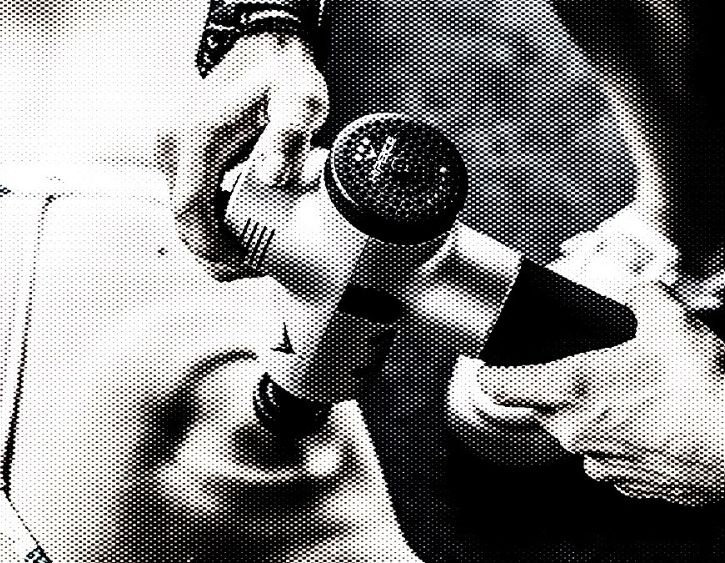
Massage gun therapy has emerged as a powerful tool for muscle recovery, pain relief, and overall wellness when used correctly. This summary provides a structured overview of the key aspects of massage gun therapy, focusing on practical applications and evidence-based protocols.
Understanding Massage Gun Therapy
Massage guns are handheld percussion therapy devices that deliver rapid, concentrated pulses of pressure into muscle tissue. Unlike traditional vibrating massagers, they use a percussive action that targets deeper tissue layers with precision.
How They Work:
Mechanotransduction: Mechanical stimuli convert into cellular responses
Neurological Effects: High-intensity stimuli can "gate" pain signals
Circulatory Response: Increases blood flow to targeted areas
Muscle Tension Reduction: Mechanical pressure helps relax tight muscle fibers
Evidence-Based Benefits:
Accelerated recovery after exercise
Reduced pain and muscle soreness
Improved range of motion and flexibility
Enhanced pre-workout muscle preparation
Stress reduction and relaxation
Facilitated lactic acid release
Support for rehabilitation when used appropriately
Effective Implementation Framework
Assessment Phase
Before beginning massage gun therapy:
Identify specific problem areas experiencing tension or soreness
Rule out any contraindications
Set clear goals (warmup, recovery, pain relief, or wellness)
Consider appropriate timing (pre-workout, post-workout, or standalone)
Planning Phase
Device Selection: Choose based on your needs (power, battery life, noise level)
Attachment Selection:
Ball: Larger muscle groups (back, shoulders, legs)
Flat head: Overall relief and larger surface areas
Fork/U-shaped: Areas around spine or neck
Bullet/pointed: Trigger points and smaller muscle areas
Speed/Intensity: Begin with lowest setting and adjust as needed
Duration Planning: Typically 30 seconds to 3 minutes per muscle group
Implementation Phase
Positioning: Ensure comfortable, stable position with good access
Technique:
Hold the device perpendicular (90-degree angle) to the target muscle
Apply light pressure-let the gun do the work
Glide slowly across the muscle (2-10 seconds per area)
Avoid staying in one spot for more than a few seconds
Time Management:
Limit to 2-3 minutes per muscle group
Total session should not exceed 15 minutes
Evaluation Phase
Note immediate changes in pain, range of motion, or muscle tension
Track how long benefits last and any delayed responses
Adjust future sessions based on results
Specialized Protocols
Pre-Workout Activation
Duration: 30 seconds to 1 minute per muscle group
Intensity: Low to medium setting
Technique: Quick passes over muscles to be used
Timing: 5-15 minutes before exercise
Post-Workout Recovery
Duration: Up to 2 minutes per muscle group
Intensity: Medium for larger muscles, lower for smaller muscles
Technique: Slow, methodical movements across entire muscle groups
Timing: Within 30 minutes after exercise for optimal results
Pain Relief Applications
Duration: 1-2 minutes per area
Intensity: Start very low and increase gradually
Technique: Focus on surrounding areas, not directly on painful spots
Frequency: 1-2 times daily with at least 6 hours between sessions
Relaxation Protocol
Duration: 1-3 minutes per area
Intensity: Lower settings for gentler experience
Technique: Smooth, even coverage with ball attachment
Environment: Create calm setting with minimal distractions
Safety Considerations
Absolute Contraindications
Acute or severe cardiac, liver, or kidney disease
Blood clots, deep vein thrombosis, severe varicose veins
Open wounds, rashes, infections, tumors, or burns
Fractures, osteoporosis, bone cancer
Neurological issues affecting sensation
Recent surgeries
Acute inflammatory conditions
Blood thinners (consult healthcare provider first)
High-Risk Areas to Avoid
Bony prominences (joints, spine, collarbones)
Throat and neck, especially the front
Face and head
Genitals
Over organs (kidney area, liver, heart)
Recent injury sites
Potential Risks and Prevention
Rhabdomyolysis: Avoid excessive pressure or duration
Vascular Injury: Avoid use over major blood vessels
Increased Pain/Inflammation: Start light and increase gradually
Nerve Irritation: Avoid direct application over known nerve pathways
Common Technique Mistakes
Using excessive pressure (solution: let device do the work)
Treating too long (solution: limit to 2-3 minutes per area)
Incorrect angle (solution: maintain perpendicular position)
Static application (solution: keep the device moving)
Inappropriate speed (solution: start low and increase gradually)
Practical Applications
Home Use Guidelines
Create a designated space with proper seating and lighting
Develop a systematic routine (larger to smaller muscle groups)
Keep sessions under 10 minutes for general maintenance
Track results to identify effective techniques
Store properly in cool, dry place
Travel and On-the-Go Recovery
Consider compact, lightweight models for travel
Check TSA regulations for lithium batteries
Develop abbreviated protocols for between-event recovery
Focus on travel-stressed areas (lower back, neck, calves)
Tracking Progress
Establish baseline measurements (range of motion, pain levels)
Implement regular reassessment schedule
Log each session (duration, areas, settings)
Adjust protocols based on results:
Modify intensity if needed
Determine optimal frequency
Experiment with different techniques
Optimal Frequency Guidelines
General wellness: 2-3 times per week for 5-10 minutes
Active recovery: After intense workouts, not exceeding once daily
Chronic tension: 3-5 times weekly for targeted relief
Acute soreness: Once daily for up to 3 days, then reassess
Before bedtime: At least 1 hour before sleep
Conclusion
Massage guns offer significant benefits for muscle recovery, tension relief, and performance enhancement when used correctly. The key to success lies in proper technique, respecting contraindications, and consistent application. Start conservatively with lower intensity settings and gradually refine your approach based on your body's response.
Remember that percussion therapy supports your body's natural recovery processes-it's not a replacement for addressing underlying issues or seeking appropriate medical care when needed. When used thoughtfully as part of a comprehensive wellness approach, massage guns can effectively enhance physical wellbeing and support an active lifestyle.
By following these evidence-based guidelines, you can safely harness the power of percussion therapy to support your health and performance goals.
Massage gun therapy has emerged as a powerful tool for muscle recovery, pain relief, and overall wellness when used correctly. This summary provides a structured overview of the key aspects of massage gun therapy, focusing on practical applications and evidence-based protocols.
Understanding Massage Gun Therapy
Massage guns are handheld percussion therapy devices that deliver rapid, concentrated pulses of pressure into muscle tissue. Unlike traditional vibrating massagers, they use a percussive action that targets deeper tissue layers with precision.
How They Work:
Mechanotransduction: Mechanical stimuli convert into cellular responses
Neurological Effects: High-intensity stimuli can "gate" pain signals
Circulatory Response: Increases blood flow to targeted areas
Muscle Tension Reduction: Mechanical pressure helps relax tight muscle fibers
Evidence-Based Benefits:
Accelerated recovery after exercise
Reduced pain and muscle soreness
Improved range of motion and flexibility
Enhanced pre-workout muscle preparation
Stress reduction and relaxation
Facilitated lactic acid release
Support for rehabilitation when used appropriately
Effective Implementation Framework
Assessment Phase
Before beginning massage gun therapy:
Identify specific problem areas experiencing tension or soreness
Rule out any contraindications
Set clear goals (warmup, recovery, pain relief, or wellness)
Consider appropriate timing (pre-workout, post-workout, or standalone)
Planning Phase
Device Selection: Choose based on your needs (power, battery life, noise level)
Attachment Selection:
Ball: Larger muscle groups (back, shoulders, legs)
Flat head: Overall relief and larger surface areas
Fork/U-shaped: Areas around spine or neck
Bullet/pointed: Trigger points and smaller muscle areas
Speed/Intensity: Begin with lowest setting and adjust as needed
Duration Planning: Typically 30 seconds to 3 minutes per muscle group
Implementation Phase
Positioning: Ensure comfortable, stable position with good access
Technique:
Hold the device perpendicular (90-degree angle) to the target muscle
Apply light pressure-let the gun do the work
Glide slowly across the muscle (2-10 seconds per area)
Avoid staying in one spot for more than a few seconds
Time Management:
Limit to 2-3 minutes per muscle group
Total session should not exceed 15 minutes
Evaluation Phase
Note immediate changes in pain, range of motion, or muscle tension
Track how long benefits last and any delayed responses
Adjust future sessions based on results
Specialized Protocols
Pre-Workout Activation
Duration: 30 seconds to 1 minute per muscle group
Intensity: Low to medium setting
Technique: Quick passes over muscles to be used
Timing: 5-15 minutes before exercise
Post-Workout Recovery
Duration: Up to 2 minutes per muscle group
Intensity: Medium for larger muscles, lower for smaller muscles
Technique: Slow, methodical movements across entire muscle groups
Timing: Within 30 minutes after exercise for optimal results
Pain Relief Applications
Duration: 1-2 minutes per area
Intensity: Start very low and increase gradually
Technique: Focus on surrounding areas, not directly on painful spots
Frequency: 1-2 times daily with at least 6 hours between sessions
Relaxation Protocol
Duration: 1-3 minutes per area
Intensity: Lower settings for gentler experience
Technique: Smooth, even coverage with ball attachment
Environment: Create calm setting with minimal distractions
Safety Considerations
Absolute Contraindications
Acute or severe cardiac, liver, or kidney disease
Blood clots, deep vein thrombosis, severe varicose veins
Open wounds, rashes, infections, tumors, or burns
Fractures, osteoporosis, bone cancer
Neurological issues affecting sensation
Recent surgeries
Acute inflammatory conditions
Blood thinners (consult healthcare provider first)
High-Risk Areas to Avoid
Bony prominences (joints, spine, collarbones)
Throat and neck, especially the front
Face and head
Genitals
Over organs (kidney area, liver, heart)
Recent injury sites
Potential Risks and Prevention
Rhabdomyolysis: Avoid excessive pressure or duration
Vascular Injury: Avoid use over major blood vessels
Increased Pain/Inflammation: Start light and increase gradually
Nerve Irritation: Avoid direct application over known nerve pathways
Common Technique Mistakes
Using excessive pressure (solution: let device do the work)
Treating too long (solution: limit to 2-3 minutes per area)
Incorrect angle (solution: maintain perpendicular position)
Static application (solution: keep the device moving)
Inappropriate speed (solution: start low and increase gradually)
Practical Applications
Home Use Guidelines
Create a designated space with proper seating and lighting
Develop a systematic routine (larger to smaller muscle groups)
Keep sessions under 10 minutes for general maintenance
Track results to identify effective techniques
Store properly in cool, dry place
Travel and On-the-Go Recovery
Consider compact, lightweight models for travel
Check TSA regulations for lithium batteries
Develop abbreviated protocols for between-event recovery
Focus on travel-stressed areas (lower back, neck, calves)
Tracking Progress
Establish baseline measurements (range of motion, pain levels)
Implement regular reassessment schedule
Log each session (duration, areas, settings)
Adjust protocols based on results:
Modify intensity if needed
Determine optimal frequency
Experiment with different techniques
Optimal Frequency Guidelines
General wellness: 2-3 times per week for 5-10 minutes
Active recovery: After intense workouts, not exceeding once daily
Chronic tension: 3-5 times weekly for targeted relief
Acute soreness: Once daily for up to 3 days, then reassess
Before bedtime: At least 1 hour before sleep
Conclusion
Massage guns offer significant benefits for muscle recovery, tension relief, and performance enhancement when used correctly. The key to success lies in proper technique, respecting contraindications, and consistent application. Start conservatively with lower intensity settings and gradually refine your approach based on your body's response.
Remember that percussion therapy supports your body's natural recovery processes-it's not a replacement for addressing underlying issues or seeking appropriate medical care when needed. When used thoughtfully as part of a comprehensive wellness approach, massage guns can effectively enhance physical wellbeing and support an active lifestyle.
By following these evidence-based guidelines, you can safely harness the power of percussion therapy to support your health and performance goals.