Cupping Therapy
Cupping Therapy
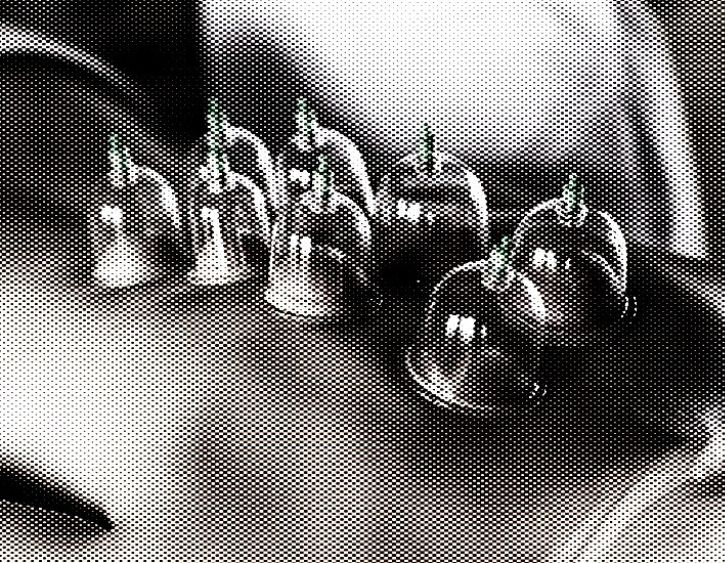
Cupping therapy is an ancient healing technique dating back approximately 4,000 years that has experienced a significant resurgence in popularity, especially after being showcased by elite athletes during the 2016 Olympics. This practice involves creating suction on the skin surface using specialized cups, producing distinctive circular marks. While its efficacy remains subject to scientific debate, cupping offers several evidence-based benefits with practical applications for pain management, circulation improvement, and muscle tension relief.
Types and Techniques
Dry vs. Wet Cupping
Dry Cupping: Cups are placed on the skin, creating suction that pulls the skin upward. The cups remain in place for 3-10 minutes, improving blood circulation and creating visible redness. No skin breakage occurs.
Wet Cupping (Hijama): After initial suction, the practitioner makes small superficial incisions on the skin and reapplies the cups to draw out a small amount of blood. This requires stringent sterilization procedures and is believed to enhance therapeutic effects beyond dry cupping.
Static vs. Dynamic Cupping
Static Cupping: The traditional approach where cups remain stationary on specific points for several minutes, allowing sustained suction to affect underlying tissues.
Dynamic Cupping: Involves applying oil to the skin and moving the cups along muscles while maintaining suction. This combines cupping benefits with tissue mobilization, helping to stretch tissue, increase blood flow, and release tension more effectively.
Modern Approaches
Myofascial Decompression (MFD) represents a contemporary adaptation focusing on musculoskeletal issues from a Western medicine perspective. It emphasizes:
Assessment and correction of movement inefficiencies
Knowledge of biomechanics and functional anatomy
Active patient involvement through movement during treatment
Addressing restrictions in range of motion and muscular imbalance
How Cupping Works: Theoretical Mechanisms
Pain Reduction Mechanisms
Pain-Gate Theory: Cupping stimulates pain receptors, increasing the frequency of impulses and ultimately closing the pain gates, reducing pain perception.
Diffuse Noxious Inhibitory Controls (DNICs): Local tissue changes induced by cupping create a nociceptive stimulus that activates the "pain inhibits pain" pathway.
Reflex Zone Theory: Based on the concept that different body areas connect through neural pathways, stimulating one area can affect another through these connections.
Other Mechanisms
Nitric Oxide Theory: Cupping may trigger the release of nitric oxide from endothelial cells, causing vasodilation, decreased vascular resistance, lower blood pressure, and other beneficial effects.
Immune System Activation: Creates artificial local inflammation that stimulates immune response, activates the complement system, and increases levels of immune products.
Blood Circulation Effects: Increases local blood flow, releases fascia tension, stretches connective tissues, and removes metabolic byproducts.
Physiological Effects on Body Systems
Muscular System
Muscle relaxation through decompression effect
Fascial release by creating space between tissue layers
Immediate improvement in range of motion
Myofascial decompression that addresses cross-bonded collagen and fibrosis
Circulatory System
Increased peripheral blood flow
Improved microcirculation
Enhanced lymphatic drainage
Sustained vascular response through temporary hyperemia
Nervous System
Pain modulation through multiple mechanisms
Autonomic nervous system effects that may restore sympathovagal balance
Sensory stimulation that can reset pain perception patterns
Immune System
Modulation of immune markers
Anti-inflammatory effects
Enhanced local immunity through controlled inflammation
Evidence-Based Benefits
Pain Management
Effective for musculoskeletal pain, particularly neck and back pain
Potential benefits for headache and migraine conditions
Immediate pain relief reported by most patients
Improved Circulation and Tissue Health
Enhanced blood flow to treated areas
Accelerated tissue healing through improved microcirculation
Increased fascial mobility and soft tissue flexibility
Reduced Inflammation and Stress Response
General anti-inflammatory action through multiple mechanisms
Potential reduction in oxidative stress
Restoration of autonomic balance between sympathetic and parasympathetic systems
Other Reported Benefits
Potential cardiovascular effects including lower blood pressure
Possible metabolic benefits such as reduced blood sugar
Traditional use for skin conditions like eczema and acne
Enhanced relaxation and sense of well-being
Safety Considerations
Common Side Effects
Circular marks/bruising that fade within days to two weeks
Mild discomfort during and after treatment
Localized redness and temporary skin sensitivity
Serious Adverse Events (Rare)
Burns (especially with fire cupping if not performed correctly)
Infections (particularly with wet cupping if proper sterilization is neglected)
Skin damage including blisters or scarring with excessive suction
Systemic reactions like headaches, dizziness, or fatigue
Contraindications
People with bleeding disorders or taking anticoagulants
Individuals with cancer, organ failure, or severe blood disorders
Pregnant individuals, young children, older adults
Areas with active inflammation, burns, infection, or open wounds
Avoid cupping over nerves, arteries, varicose veins, lymph nodes, eyes, or bone fractures
Practical Application
General Protocol
Preparation with light massage and lubrication
Cup application with appropriate suction for 3-10 minutes
Proper removal and aftercare
Post-treatment rest and hydration
Specific Techniques
Static Cupping for Pain Relief: Stationary cups for deep tissue tension
Motion Cupping for Flexibility: Active stretching while cups are attached
Dynamic Cupping for Muscle Tension: Gliding cups along muscle groups
Integration with Other Therapies
Combines effectively with massage therapy
Enhanced outcomes when paired with movement therapy
Most effective as part of comprehensive care approach
Common Misconceptions
Myth: Cupping removes toxins from the body
Reality: No evidence supports direct toxin removal; marks relate to blood being drawn to the surface
Myth: Cupping is a cure-all therapy
Reality: Benefits are most consistent for specific conditions, particularly musculoskeletal issues
Myth: Cupping marks indicate damage
Reality: Marks are temporary capillary responses similar to hickeys, not harmful tissue damage
Myth: Darker marks mean better treatment
Reality: Mark coloration varies based on individual factors and doesn't indicate treatment effectiveness
Current Research Status
Evidence ranges from very low to moderate depending on the condition
Strongest evidence exists for soft tissue flexibility and pain relief
Research limitations include small sample sizes and lack of standardized protocols
Further investigation needed for mechanism clarification, protocol standardization, and long-term effectiveness
Cupping therapy represents a promising complementary approach for specific conditions with relatively low risks when performed properly by trained practitioners. While some traditional claims lack substantial scientific support, the documented benefits for pain management, circulation, and muscle tension make it a viable option worth considering as part of a comprehensive treatment plan.
Cupping therapy is an ancient healing technique dating back approximately 4,000 years that has experienced a significant resurgence in popularity, especially after being showcased by elite athletes during the 2016 Olympics. This practice involves creating suction on the skin surface using specialized cups, producing distinctive circular marks. While its efficacy remains subject to scientific debate, cupping offers several evidence-based benefits with practical applications for pain management, circulation improvement, and muscle tension relief.
Types and Techniques
Dry vs. Wet Cupping
Dry Cupping: Cups are placed on the skin, creating suction that pulls the skin upward. The cups remain in place for 3-10 minutes, improving blood circulation and creating visible redness. No skin breakage occurs.
Wet Cupping (Hijama): After initial suction, the practitioner makes small superficial incisions on the skin and reapplies the cups to draw out a small amount of blood. This requires stringent sterilization procedures and is believed to enhance therapeutic effects beyond dry cupping.
Static vs. Dynamic Cupping
Static Cupping: The traditional approach where cups remain stationary on specific points for several minutes, allowing sustained suction to affect underlying tissues.
Dynamic Cupping: Involves applying oil to the skin and moving the cups along muscles while maintaining suction. This combines cupping benefits with tissue mobilization, helping to stretch tissue, increase blood flow, and release tension more effectively.
Modern Approaches
Myofascial Decompression (MFD) represents a contemporary adaptation focusing on musculoskeletal issues from a Western medicine perspective. It emphasizes:
Assessment and correction of movement inefficiencies
Knowledge of biomechanics and functional anatomy
Active patient involvement through movement during treatment
Addressing restrictions in range of motion and muscular imbalance
How Cupping Works: Theoretical Mechanisms
Pain Reduction Mechanisms
Pain-Gate Theory: Cupping stimulates pain receptors, increasing the frequency of impulses and ultimately closing the pain gates, reducing pain perception.
Diffuse Noxious Inhibitory Controls (DNICs): Local tissue changes induced by cupping create a nociceptive stimulus that activates the "pain inhibits pain" pathway.
Reflex Zone Theory: Based on the concept that different body areas connect through neural pathways, stimulating one area can affect another through these connections.
Other Mechanisms
Nitric Oxide Theory: Cupping may trigger the release of nitric oxide from endothelial cells, causing vasodilation, decreased vascular resistance, lower blood pressure, and other beneficial effects.
Immune System Activation: Creates artificial local inflammation that stimulates immune response, activates the complement system, and increases levels of immune products.
Blood Circulation Effects: Increases local blood flow, releases fascia tension, stretches connective tissues, and removes metabolic byproducts.
Physiological Effects on Body Systems
Muscular System
Muscle relaxation through decompression effect
Fascial release by creating space between tissue layers
Immediate improvement in range of motion
Myofascial decompression that addresses cross-bonded collagen and fibrosis
Circulatory System
Increased peripheral blood flow
Improved microcirculation
Enhanced lymphatic drainage
Sustained vascular response through temporary hyperemia
Nervous System
Pain modulation through multiple mechanisms
Autonomic nervous system effects that may restore sympathovagal balance
Sensory stimulation that can reset pain perception patterns
Immune System
Modulation of immune markers
Anti-inflammatory effects
Enhanced local immunity through controlled inflammation
Evidence-Based Benefits
Pain Management
Effective for musculoskeletal pain, particularly neck and back pain
Potential benefits for headache and migraine conditions
Immediate pain relief reported by most patients
Improved Circulation and Tissue Health
Enhanced blood flow to treated areas
Accelerated tissue healing through improved microcirculation
Increased fascial mobility and soft tissue flexibility
Reduced Inflammation and Stress Response
General anti-inflammatory action through multiple mechanisms
Potential reduction in oxidative stress
Restoration of autonomic balance between sympathetic and parasympathetic systems
Other Reported Benefits
Potential cardiovascular effects including lower blood pressure
Possible metabolic benefits such as reduced blood sugar
Traditional use for skin conditions like eczema and acne
Enhanced relaxation and sense of well-being
Safety Considerations
Common Side Effects
Circular marks/bruising that fade within days to two weeks
Mild discomfort during and after treatment
Localized redness and temporary skin sensitivity
Serious Adverse Events (Rare)
Burns (especially with fire cupping if not performed correctly)
Infections (particularly with wet cupping if proper sterilization is neglected)
Skin damage including blisters or scarring with excessive suction
Systemic reactions like headaches, dizziness, or fatigue
Contraindications
People with bleeding disorders or taking anticoagulants
Individuals with cancer, organ failure, or severe blood disorders
Pregnant individuals, young children, older adults
Areas with active inflammation, burns, infection, or open wounds
Avoid cupping over nerves, arteries, varicose veins, lymph nodes, eyes, or bone fractures
Practical Application
General Protocol
Preparation with light massage and lubrication
Cup application with appropriate suction for 3-10 minutes
Proper removal and aftercare
Post-treatment rest and hydration
Specific Techniques
Static Cupping for Pain Relief: Stationary cups for deep tissue tension
Motion Cupping for Flexibility: Active stretching while cups are attached
Dynamic Cupping for Muscle Tension: Gliding cups along muscle groups
Integration with Other Therapies
Combines effectively with massage therapy
Enhanced outcomes when paired with movement therapy
Most effective as part of comprehensive care approach
Common Misconceptions
Myth: Cupping removes toxins from the body
Reality: No evidence supports direct toxin removal; marks relate to blood being drawn to the surface
Myth: Cupping is a cure-all therapy
Reality: Benefits are most consistent for specific conditions, particularly musculoskeletal issues
Myth: Cupping marks indicate damage
Reality: Marks are temporary capillary responses similar to hickeys, not harmful tissue damage
Myth: Darker marks mean better treatment
Reality: Mark coloration varies based on individual factors and doesn't indicate treatment effectiveness
Current Research Status
Evidence ranges from very low to moderate depending on the condition
Strongest evidence exists for soft tissue flexibility and pain relief
Research limitations include small sample sizes and lack of standardized protocols
Further investigation needed for mechanism clarification, protocol standardization, and long-term effectiveness
Cupping therapy represents a promising complementary approach for specific conditions with relatively low risks when performed properly by trained practitioners. While some traditional claims lack substantial scientific support, the documented benefits for pain management, circulation, and muscle tension make it a viable option worth considering as part of a comprehensive treatment plan.