Cryotherapy (cold exposure)
Cryotherapy (cold exposure)
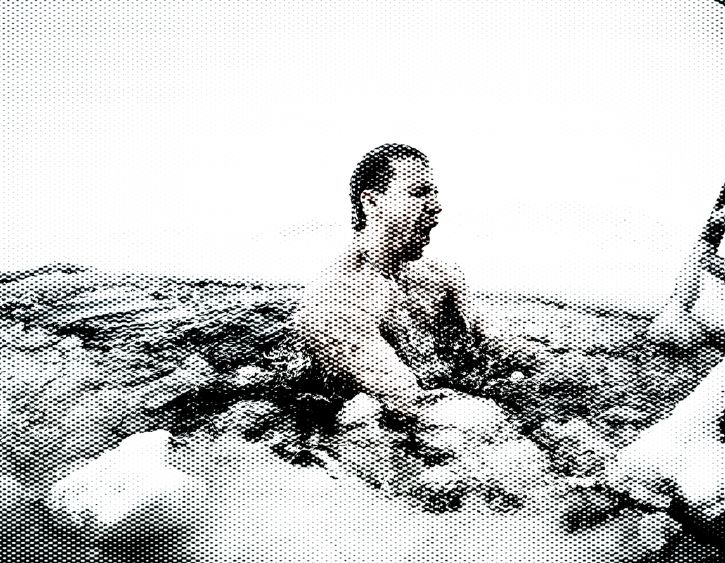
Cryotherapy, literally meaning "cold therapy," is a therapeutic technique that harnesses the power of extreme cold to deliver various health benefits. This ancient healing practice has evolved into a sophisticated treatment modality with applications spanning medical treatment, athletic performance, and general wellness.
Key Takeaways
Cryotherapy works through multiple physiological mechanisms including vasoconstriction, altered nerve conduction, reduced metabolism, and anti-inflammatory responses
Different forms include whole-body cryotherapy (WBC), localized treatments, cold water immersion, and ice application
Benefits span pain reduction, inflammation management, athletic recovery, mental health support, and general wellness
Effective implementation requires understanding appropriate protocols, safety measures, and individualized approaches
Scientific Principles and Physiological Mechanisms
Primary Effects of Cold Exposure
Cryotherapy triggers several interrelated physiological responses:
Vasoconstriction and Blood Flow Changes: Cold exposure causes blood vessels to narrow, reducing blood flow to exposed areas. This decreased circulation helps limit inflammation, swelling, and bleeding in injured tissues. After treatment, vasodilation occurs, flushing the body with fresh, oxygenated blood.
Nerve Conduction Modification: Cold slows sensory nerve conduction velocity, reducing pain signal transmission and intensity. This provides the analgesic (pain-reducing) effect that makes cryotherapy valuable for pain management.
Metabolic Rate Reduction: Cold exposure decreases cellular metabolism in affected tissues, reducing oxygen and nutrient requirements. This helps protect cells from secondary damage in injury situations.
Anti-inflammatory Response: Cryotherapy reduces inflammation through decreased release of inflammatory mediators, reduced cell metabolism, and limited fluid accumulation in tissues.
Hormonal and Neurochemical Changes: Particularly with whole-body applications, cryotherapy triggers endorphin release and affects neurotransmitter levels, contributing to reduced pain perception, improved mood, and feelings of wellbeing.
Types of Cryotherapy
Whole-Body Cryotherapy (WBC)
Involves exposing the entire body (except the head) to air cooled to temperatures between -110°C and -140°C (-166°F to -220°F)
Sessions typically last 2-3 minutes
Triggers systemic responses including peripheral vasoconstriction followed by vasodilation
Stimulates production of anti-inflammatory cytokines and endorphins throughout the body
Localized Cryotherapy
Targets specific muscle areas or joints directly with cold air or ice
Achieves deeper tissue temperature reduction in specific areas
Concentrates vasoconstriction, nerve conduction slowing, and metabolic reduction in the treatment area
Generally produces longer-lasting local cooling than WBC due to more intense temperature reduction
Cold Water Immersion
Involves submerging body parts in water at temperatures typically between 1-15°C (33.8-59°F)
Popular in athletic recovery and rehabilitation
Session duration typically ranges from 5-15 minutes
Ice Application
Traditional method using ice packs, ice baths, or ice massage
Helps decrease pain, swelling, and inflammation in injured areas
Requires appropriate barriers between ice and skin to prevent cold injury
Practical Applications
Inflammatory Conditions
Rheumatoid Arthritis Protocol:
Whole-body cryotherapy at temperatures below -110°C for 2-3 minutes per session
2-3 sessions per week for 2-4 weeks initially
Research shows decreased pain intensity, improved mobility, and measurable reductions in inflammatory markers
Benefits can last up to three months after treatment
Fibromyalgia Management:
Both whole-body and localized cryotherapy show benefits
Patients report immediate pain relief and sustained improvements in daily functioning
Begin with shorter durations and gradually increase as tolerance develops
Athletic Recovery and Performance
Acute Injury Management:
Begin treatment as soon as possible after injury
For severe contusions, twice-daily cold water immersion with compression and elevation
Case studies show dramatic acceleration of recovery timelines
Post-Training Recovery:
Cold water immersion at 10-15°C for 10-15 minutes after intensive training
Implement within 1 hour of exercise completion when possible
Reduces muscle inflammation, decreases perception of soreness, and accelerates waste product clearance
Competition Recovery:
Brief whole-body cryotherapy (2-3 minutes) or cold water immersion (5-10 minutes) between events
Allow minimum 2-3 hours between treatment and next performance
Creates distinct recovery ritual that helps athletes mentally transition between performances
Chronic Pain Management
Arthritis Pain Management:
Both whole-body and localized approaches demonstrate benefits
Begin with controlled professional application before considering home-based approaches
Combine with appropriate joint-protection strategies and gentle movement
Neurological Condition Support:
Shows benefits for multiple sclerosis and Parkinson's disease patients
Improvements in fatigue levels, mobility, and gait reported
May help fight neurodegenerative processes through antioxidant benefits
Mental Health and Wellness
Anxiety and Stress Management:
Regular sessions (1-2 weekly) during high-stress periods
Endorphin release helps improve mood and reduce anxiety
Students report better coping with academic stress
Sleep Quality Enhancement:
Evening sessions (not immediately before bed) may improve sleep onset and quality
Combine with appropriate sleep hygiene practices
Track sleep metrics to assess effectiveness
Safety Protocols and Best Practices
Essential Safety Guidelines
Pre-treatment Screening: Screen for contraindications including Raynaud's disease, cold urticaria, cryoglobulinemia, severe cardiovascular conditions, and pregnancy
Protective Equipment: For whole-body cryotherapy, use dry gloves, socks, footwear, and face/ear protection; for localized applications, use appropriate barriers between cold sources and skin
Supervision: Trained staff should always monitor clients throughout treatment
Duration Guidelines: For small areas with minimal fat (like fingers), limit treatment to 3-5 minutes; larger areas with deeper tissue (hip) may require up to 20 minutes
Common Risks to Avoid
Cold Injury: Never apply frozen items directly to skin without appropriate barriers
Nerve Injury: Avoid excessive pressure over areas with superficial nerves
Systemic Reactions: Monitor for signs of decreased core temperature including shivering
Implementing Cryotherapy
Home-Based Routines
Start with ice packs with proper insulating covers, cold compression wraps, or cold shower protocols
Begin with brief exposures (30-60 seconds for cold showers, 5-7 minutes for ice packs)
Gradually increase duration as tolerance develops
Always use appropriate barriers between cold sources and skin
Set timers to ensure adherence to recommended durations
What to Expect During and After Treatment
During whole-body cryotherapy, you'll experience an intense cold sensation as temperature drops rapidly
The dry air makes the cold surprisingly bearable for most people
After treatment, expect a rush of energy and invigoration from endorphin release
Increased blood circulation promotes oxygen and nutrient delivery throughout your body
Benefits may include immediate pain relief, enhanced skin tone, improved mood, and better sleep
Conclusion
Cryotherapy offers a versatile, evidence-based approach to managing pain, enhancing recovery, improving performance, and supporting overall wellbeing. Whether applied through whole-body chambers, localized treatments, or cold water immersion, cold therapy can deliver significant benefits across diverse conditions when implemented properly.
For optimal results, begin with professional guidance, follow appropriate safety protocols, and develop individualized approaches based on specific goals and responses. With consistent application and monitoring, cryotherapy can become an effective component of comprehensive health and wellness strategies.
Cryotherapy, literally meaning "cold therapy," is a therapeutic technique that harnesses the power of extreme cold to deliver various health benefits. This ancient healing practice has evolved into a sophisticated treatment modality with applications spanning medical treatment, athletic performance, and general wellness.
Key Takeaways
Cryotherapy works through multiple physiological mechanisms including vasoconstriction, altered nerve conduction, reduced metabolism, and anti-inflammatory responses
Different forms include whole-body cryotherapy (WBC), localized treatments, cold water immersion, and ice application
Benefits span pain reduction, inflammation management, athletic recovery, mental health support, and general wellness
Effective implementation requires understanding appropriate protocols, safety measures, and individualized approaches
Scientific Principles and Physiological Mechanisms
Primary Effects of Cold Exposure
Cryotherapy triggers several interrelated physiological responses:
Vasoconstriction and Blood Flow Changes: Cold exposure causes blood vessels to narrow, reducing blood flow to exposed areas. This decreased circulation helps limit inflammation, swelling, and bleeding in injured tissues. After treatment, vasodilation occurs, flushing the body with fresh, oxygenated blood.
Nerve Conduction Modification: Cold slows sensory nerve conduction velocity, reducing pain signal transmission and intensity. This provides the analgesic (pain-reducing) effect that makes cryotherapy valuable for pain management.
Metabolic Rate Reduction: Cold exposure decreases cellular metabolism in affected tissues, reducing oxygen and nutrient requirements. This helps protect cells from secondary damage in injury situations.
Anti-inflammatory Response: Cryotherapy reduces inflammation through decreased release of inflammatory mediators, reduced cell metabolism, and limited fluid accumulation in tissues.
Hormonal and Neurochemical Changes: Particularly with whole-body applications, cryotherapy triggers endorphin release and affects neurotransmitter levels, contributing to reduced pain perception, improved mood, and feelings of wellbeing.
Types of Cryotherapy
Whole-Body Cryotherapy (WBC)
Involves exposing the entire body (except the head) to air cooled to temperatures between -110°C and -140°C (-166°F to -220°F)
Sessions typically last 2-3 minutes
Triggers systemic responses including peripheral vasoconstriction followed by vasodilation
Stimulates production of anti-inflammatory cytokines and endorphins throughout the body
Localized Cryotherapy
Targets specific muscle areas or joints directly with cold air or ice
Achieves deeper tissue temperature reduction in specific areas
Concentrates vasoconstriction, nerve conduction slowing, and metabolic reduction in the treatment area
Generally produces longer-lasting local cooling than WBC due to more intense temperature reduction
Cold Water Immersion
Involves submerging body parts in water at temperatures typically between 1-15°C (33.8-59°F)
Popular in athletic recovery and rehabilitation
Session duration typically ranges from 5-15 minutes
Ice Application
Traditional method using ice packs, ice baths, or ice massage
Helps decrease pain, swelling, and inflammation in injured areas
Requires appropriate barriers between ice and skin to prevent cold injury
Practical Applications
Inflammatory Conditions
Rheumatoid Arthritis Protocol:
Whole-body cryotherapy at temperatures below -110°C for 2-3 minutes per session
2-3 sessions per week for 2-4 weeks initially
Research shows decreased pain intensity, improved mobility, and measurable reductions in inflammatory markers
Benefits can last up to three months after treatment
Fibromyalgia Management:
Both whole-body and localized cryotherapy show benefits
Patients report immediate pain relief and sustained improvements in daily functioning
Begin with shorter durations and gradually increase as tolerance develops
Athletic Recovery and Performance
Acute Injury Management:
Begin treatment as soon as possible after injury
For severe contusions, twice-daily cold water immersion with compression and elevation
Case studies show dramatic acceleration of recovery timelines
Post-Training Recovery:
Cold water immersion at 10-15°C for 10-15 minutes after intensive training
Implement within 1 hour of exercise completion when possible
Reduces muscle inflammation, decreases perception of soreness, and accelerates waste product clearance
Competition Recovery:
Brief whole-body cryotherapy (2-3 minutes) or cold water immersion (5-10 minutes) between events
Allow minimum 2-3 hours between treatment and next performance
Creates distinct recovery ritual that helps athletes mentally transition between performances
Chronic Pain Management
Arthritis Pain Management:
Both whole-body and localized approaches demonstrate benefits
Begin with controlled professional application before considering home-based approaches
Combine with appropriate joint-protection strategies and gentle movement
Neurological Condition Support:
Shows benefits for multiple sclerosis and Parkinson's disease patients
Improvements in fatigue levels, mobility, and gait reported
May help fight neurodegenerative processes through antioxidant benefits
Mental Health and Wellness
Anxiety and Stress Management:
Regular sessions (1-2 weekly) during high-stress periods
Endorphin release helps improve mood and reduce anxiety
Students report better coping with academic stress
Sleep Quality Enhancement:
Evening sessions (not immediately before bed) may improve sleep onset and quality
Combine with appropriate sleep hygiene practices
Track sleep metrics to assess effectiveness
Safety Protocols and Best Practices
Essential Safety Guidelines
Pre-treatment Screening: Screen for contraindications including Raynaud's disease, cold urticaria, cryoglobulinemia, severe cardiovascular conditions, and pregnancy
Protective Equipment: For whole-body cryotherapy, use dry gloves, socks, footwear, and face/ear protection; for localized applications, use appropriate barriers between cold sources and skin
Supervision: Trained staff should always monitor clients throughout treatment
Duration Guidelines: For small areas with minimal fat (like fingers), limit treatment to 3-5 minutes; larger areas with deeper tissue (hip) may require up to 20 minutes
Common Risks to Avoid
Cold Injury: Never apply frozen items directly to skin without appropriate barriers
Nerve Injury: Avoid excessive pressure over areas with superficial nerves
Systemic Reactions: Monitor for signs of decreased core temperature including shivering
Implementing Cryotherapy
Home-Based Routines
Start with ice packs with proper insulating covers, cold compression wraps, or cold shower protocols
Begin with brief exposures (30-60 seconds for cold showers, 5-7 minutes for ice packs)
Gradually increase duration as tolerance develops
Always use appropriate barriers between cold sources and skin
Set timers to ensure adherence to recommended durations
What to Expect During and After Treatment
During whole-body cryotherapy, you'll experience an intense cold sensation as temperature drops rapidly
The dry air makes the cold surprisingly bearable for most people
After treatment, expect a rush of energy and invigoration from endorphin release
Increased blood circulation promotes oxygen and nutrient delivery throughout your body
Benefits may include immediate pain relief, enhanced skin tone, improved mood, and better sleep
Conclusion
Cryotherapy offers a versatile, evidence-based approach to managing pain, enhancing recovery, improving performance, and supporting overall wellbeing. Whether applied through whole-body chambers, localized treatments, or cold water immersion, cold therapy can deliver significant benefits across diverse conditions when implemented properly.
For optimal results, begin with professional guidance, follow appropriate safety protocols, and develop individualized approaches based on specific goals and responses. With consistent application and monitoring, cryotherapy can become an effective component of comprehensive health and wellness strategies.