High on Air (Breathing Techniques for Improved Performance and Health)
High on Air (Breathing Techniques for Improved Performance and Health)
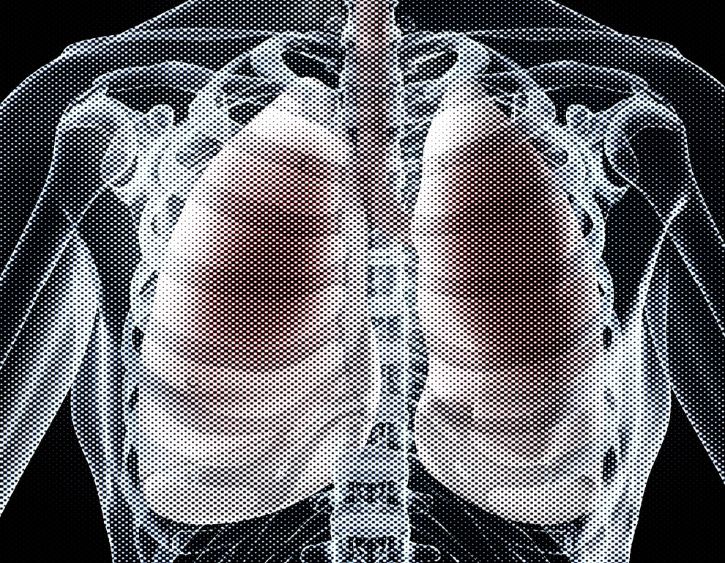
Breathing is our most fundamental biological function, yet most people pay little attention to how they breathe until problems arise. This summary explores how deliberate breathing techniques can significantly enhance physical performance, mental clarity, stress management, and overall health based on scientific evidence.
The Science Behind Breathing
Breathing affects far more than oxygen exchange. Your breathing pattern directly influences:
Autonomic Nervous System Regulation: Specific breathing patterns can activate either your sympathetic ("fight-or-flight") or parasympathetic ("rest-and-digest") nervous system
Blood Chemistry: Breathing affects blood pH levels, carbon dioxide tolerance, and oxygen delivery
Core Stability and Posture: Proper diaphragmatic breathing enhances trunk muscle activation
Cardiovascular Function: Breath patterns impact heart rate, heart rate variability, and blood pressure
Performance Benefits of Proper Breathing
For athletes and active individuals, breathing techniques provide multiple advantages:
Pre-performance anxiety management: Deep breathing promotes calmness by stimulating the parasympathetic nervous system
Enhanced endurance: Training inspiratory muscles improves stamina and reduces fatigue
Improved recovery: Proper breathing facilitates faster transition from high-intensity states to recovery
Mental focus optimization: Controlled breathing helps maintain concentration under pressure
Core Breathing Principles
1. Biomechanics
This principle concerns how you physically breathe:
Posture impact on breathing capacity
Breathing pathway (nasal vs. mouth)
Breathing mechanics (diaphragmatic vs. chest)
Flow regulation
Practical application: Slow, deliberate nasal breathing into your lower ribcage promotes calm, while chest-focused mouth breathing activates arousal.
2. Physiology and Biochemistry
Your breath directly influences your body's chemistry:
Carbon dioxide tolerance improves oxygen utilization
Breathing affects blood pH and numerous physiological processes
Breathing patterns affect oxygen delivery efficiency
Practical application: Slower, lighter breathing increases carbon dioxide levels, which paradoxically improves oxygen delivery through enhanced blood flow.
3. Nervous System Regulation
Breathing uniquely bridges conscious and unconscious control:
Breathing patterns can shift sympathetic/parasympathetic dominance
Breath control can interrupt the stress response
Specific patterns accelerate post-exertion recovery
Practical application: Extended exhales (longer than inhales) activate the parasympathetic nervous system, while rapid breathing with strong inhales activates the sympathetic system.
Assessing Your Breathing
Before implementing new techniques, understand your baseline:
The Control Pause Test:
Take a normal breath in and out through your nose
After exhaling, gently pinch your nose closed
Time how many seconds until you feel the first desire to breathe
Release and breathe normally
Interpretation:
Less than 25 seconds: Room for improvement
Above 25 seconds: 89% chance that your breathing is functional
Every 5-second increase indicates improvement
Essential Breathing Techniques
For Relaxation and Recovery
Deep Diaphragmatic Breathing:
Sit or lie with one hand on chest and one on abdomen
Inhale slowly through nose for 4 seconds, expanding abdomen
Hold briefly, then exhale slowly through pursed lips for 6 seconds
Practice for 5-10 minutes daily
4-7-8 Breathing:
Sit with back straight, tongue behind upper front teeth
Exhale completely through mouth with a whoosh sound
Inhale quietly through nose for a count of 4
Hold breath for a count of 7
Exhale completely through mouth for a count of 8
Repeat for 4 cycles
Cyclic Sighing:
Inhale partially through your nose
Take a second inhale to fully fill your lungs
Exhale slowly through the mouth for longer than your combined inhales
Practice for 5 minutes daily
For Energy and Performance
Wim Hof Method:
Sit comfortably with a straight spine
Take 30-40 deep breaths, inhaling fully and exhaling without force
After final exhale, hold breath until you feel the urge to breathe
Take one deep recovery breath and hold for 15 seconds
Repeat for 3-4 rounds
Breath of Fire:
Sit or stand tall with shoulders relaxed
Inhale briefly through nose for one second
Exhale forcefully through nose, pulling navel toward spine
Continue at about one breath per second for up to 2 minutes
Box Breathing:
Inhale through nose for a count of 4
Hold breath for a count of 4
Exhale through mouth for a count of 4
Hold empty lungs for a count of 4
Repeat for 5 minutes
Sport-Specific Techniques
Lateral Breathing for Pilates and Core Training:
Place hands on sides of ribcage
Inhale through nose, expanding ribs sideways rather than pushing belly out
Maintain some tension in abdominals throughout
Exhale slowly while engaging core
Performance Breathing for Runners:
For moderate intensity: Use a 3:2 rhythm (inhale for 3 steps, exhale for 2)
For higher intensity: Use a 2:1 pattern (inhale for 2 steps, exhale for 1)
Begin runs with nasal breathing, transitioning as intensity increases
Common Breathing Mistakes
Chest-only or belly-only breathing: Limits lung capacity and core stability
Solution: Practice integrated breathing using diaphragm, obliques, and intercostal muscles
Ignoring breath coordination during strength training: Decreases performance and increases injury risk
Solution: Exhale during effort phase (lifting, pushing) and inhale during easier phase
Chronic mouth breathing: Bypasses nose's filtering functions and activates stress responses
Solution: Practice conscious nasal breathing throughout the day
Overbreathing (chronic hyperventilation): Lowers carbon dioxide levels, reducing oxygen availability
Solution: Focus on slower, lighter breathing patterns
Building Your Breathing Practice
Daily Practice Blueprint
Morning Routine (5-10 minutes):
Wake-up breathing reset: 20 deep diaphragmatic breaths
Energizing practice: Wim Hof Method or Breath of Fire
Intention setting with focused breathing
Daytime Micro-Practices (1-2 minutes each, 4-6 times daily):
Box breathing before high-stakes meetings
4-7-8 breathing during stressful moments
Lateral breathing to reset posture
Alternate nostril breathing for mental clarity
Evening Wind-Down (10-15 minutes):
Body scan with breath awareness
Extended exhale breathing (4 count in, 8 count out)
Mindful breathing to prepare for sleep
Implementation Strategy
Start small: Begin with just 2 minutes twice daily
Master one technique before adding others
Increase duration by 1 minute per week
Link breathing practice to existing habits
Set consistent environmental cues
Track progress using physiological measurements (respiratory rate, Control Pause test, HRV) and subjective assessments
Conclusion
Breathing techniques represent one of the most accessible yet powerful tools available for enhancing performance and health. The evidence consistently demonstrates that specific breathing patterns can produce measurable physiological and psychological benefits-from reduced stress and anxiety to improved athletic performance and enhanced recovery.
To implement these techniques effectively:
Assess your current breathing patterns
Select 1-2 techniques aligned with your primary goals
Establish daily practice times
Track relevant metrics to document progress
Follow a progressive implementation plan
Customize your approach based on results
When implemented consistently, these evidence-based breathing techniques can fundamentally transform how your body and mind function-enhancing performance, accelerating recovery, managing stress, and improving overall health and wellbeing. Start with just five minutes daily and build from there.
Breathing is our most fundamental biological function, yet most people pay little attention to how they breathe until problems arise. This summary explores how deliberate breathing techniques can significantly enhance physical performance, mental clarity, stress management, and overall health based on scientific evidence.
The Science Behind Breathing
Breathing affects far more than oxygen exchange. Your breathing pattern directly influences:
Autonomic Nervous System Regulation: Specific breathing patterns can activate either your sympathetic ("fight-or-flight") or parasympathetic ("rest-and-digest") nervous system
Blood Chemistry: Breathing affects blood pH levels, carbon dioxide tolerance, and oxygen delivery
Core Stability and Posture: Proper diaphragmatic breathing enhances trunk muscle activation
Cardiovascular Function: Breath patterns impact heart rate, heart rate variability, and blood pressure
Performance Benefits of Proper Breathing
For athletes and active individuals, breathing techniques provide multiple advantages:
Pre-performance anxiety management: Deep breathing promotes calmness by stimulating the parasympathetic nervous system
Enhanced endurance: Training inspiratory muscles improves stamina and reduces fatigue
Improved recovery: Proper breathing facilitates faster transition from high-intensity states to recovery
Mental focus optimization: Controlled breathing helps maintain concentration under pressure
Core Breathing Principles
1. Biomechanics
This principle concerns how you physically breathe:
Posture impact on breathing capacity
Breathing pathway (nasal vs. mouth)
Breathing mechanics (diaphragmatic vs. chest)
Flow regulation
Practical application: Slow, deliberate nasal breathing into your lower ribcage promotes calm, while chest-focused mouth breathing activates arousal.
2. Physiology and Biochemistry
Your breath directly influences your body's chemistry:
Carbon dioxide tolerance improves oxygen utilization
Breathing affects blood pH and numerous physiological processes
Breathing patterns affect oxygen delivery efficiency
Practical application: Slower, lighter breathing increases carbon dioxide levels, which paradoxically improves oxygen delivery through enhanced blood flow.
3. Nervous System Regulation
Breathing uniquely bridges conscious and unconscious control:
Breathing patterns can shift sympathetic/parasympathetic dominance
Breath control can interrupt the stress response
Specific patterns accelerate post-exertion recovery
Practical application: Extended exhales (longer than inhales) activate the parasympathetic nervous system, while rapid breathing with strong inhales activates the sympathetic system.
Assessing Your Breathing
Before implementing new techniques, understand your baseline:
The Control Pause Test:
Take a normal breath in and out through your nose
After exhaling, gently pinch your nose closed
Time how many seconds until you feel the first desire to breathe
Release and breathe normally
Interpretation:
Less than 25 seconds: Room for improvement
Above 25 seconds: 89% chance that your breathing is functional
Every 5-second increase indicates improvement
Essential Breathing Techniques
For Relaxation and Recovery
Deep Diaphragmatic Breathing:
Sit or lie with one hand on chest and one on abdomen
Inhale slowly through nose for 4 seconds, expanding abdomen
Hold briefly, then exhale slowly through pursed lips for 6 seconds
Practice for 5-10 minutes daily
4-7-8 Breathing:
Sit with back straight, tongue behind upper front teeth
Exhale completely through mouth with a whoosh sound
Inhale quietly through nose for a count of 4
Hold breath for a count of 7
Exhale completely through mouth for a count of 8
Repeat for 4 cycles
Cyclic Sighing:
Inhale partially through your nose
Take a second inhale to fully fill your lungs
Exhale slowly through the mouth for longer than your combined inhales
Practice for 5 minutes daily
For Energy and Performance
Wim Hof Method:
Sit comfortably with a straight spine
Take 30-40 deep breaths, inhaling fully and exhaling without force
After final exhale, hold breath until you feel the urge to breathe
Take one deep recovery breath and hold for 15 seconds
Repeat for 3-4 rounds
Breath of Fire:
Sit or stand tall with shoulders relaxed
Inhale briefly through nose for one second
Exhale forcefully through nose, pulling navel toward spine
Continue at about one breath per second for up to 2 minutes
Box Breathing:
Inhale through nose for a count of 4
Hold breath for a count of 4
Exhale through mouth for a count of 4
Hold empty lungs for a count of 4
Repeat for 5 minutes
Sport-Specific Techniques
Lateral Breathing for Pilates and Core Training:
Place hands on sides of ribcage
Inhale through nose, expanding ribs sideways rather than pushing belly out
Maintain some tension in abdominals throughout
Exhale slowly while engaging core
Performance Breathing for Runners:
For moderate intensity: Use a 3:2 rhythm (inhale for 3 steps, exhale for 2)
For higher intensity: Use a 2:1 pattern (inhale for 2 steps, exhale for 1)
Begin runs with nasal breathing, transitioning as intensity increases
Common Breathing Mistakes
Chest-only or belly-only breathing: Limits lung capacity and core stability
Solution: Practice integrated breathing using diaphragm, obliques, and intercostal muscles
Ignoring breath coordination during strength training: Decreases performance and increases injury risk
Solution: Exhale during effort phase (lifting, pushing) and inhale during easier phase
Chronic mouth breathing: Bypasses nose's filtering functions and activates stress responses
Solution: Practice conscious nasal breathing throughout the day
Overbreathing (chronic hyperventilation): Lowers carbon dioxide levels, reducing oxygen availability
Solution: Focus on slower, lighter breathing patterns
Building Your Breathing Practice
Daily Practice Blueprint
Morning Routine (5-10 minutes):
Wake-up breathing reset: 20 deep diaphragmatic breaths
Energizing practice: Wim Hof Method or Breath of Fire
Intention setting with focused breathing
Daytime Micro-Practices (1-2 minutes each, 4-6 times daily):
Box breathing before high-stakes meetings
4-7-8 breathing during stressful moments
Lateral breathing to reset posture
Alternate nostril breathing for mental clarity
Evening Wind-Down (10-15 minutes):
Body scan with breath awareness
Extended exhale breathing (4 count in, 8 count out)
Mindful breathing to prepare for sleep
Implementation Strategy
Start small: Begin with just 2 minutes twice daily
Master one technique before adding others
Increase duration by 1 minute per week
Link breathing practice to existing habits
Set consistent environmental cues
Track progress using physiological measurements (respiratory rate, Control Pause test, HRV) and subjective assessments
Conclusion
Breathing techniques represent one of the most accessible yet powerful tools available for enhancing performance and health. The evidence consistently demonstrates that specific breathing patterns can produce measurable physiological and psychological benefits-from reduced stress and anxiety to improved athletic performance and enhanced recovery.
To implement these techniques effectively:
Assess your current breathing patterns
Select 1-2 techniques aligned with your primary goals
Establish daily practice times
Track relevant metrics to document progress
Follow a progressive implementation plan
Customize your approach based on results
When implemented consistently, these evidence-based breathing techniques can fundamentally transform how your body and mind function-enhancing performance, accelerating recovery, managing stress, and improving overall health and wellbeing. Start with just five minutes daily and build from there.