How To Improve Components Of Physical Performance
How To Improve Components Of Physical Performance
This document provides a practical summary of foundational principles for enhancing various aspects of physical performance. The following sections offer actionable training methods and explain the science behind why they work, focusing on immediate application for optimal results.
Strength Development
Strength forms the foundation of physical performance and involves your muscles' ability to generate maximum force against resistance. Developing strength creates the base upon which other performance components can be built.
Effective Training Approaches
Resistance training through weightlifting and bodyweight exercises serves as the primary method for building strength
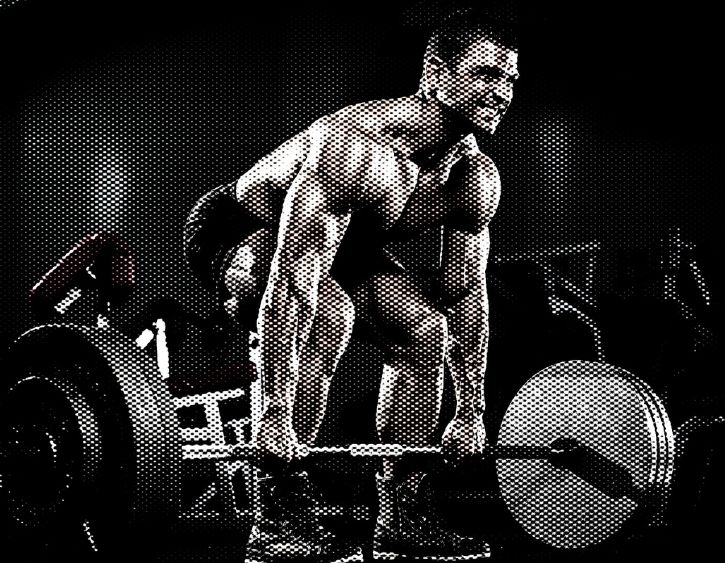
Key excercises include squats, deadlifts, bench presses, pull-ups, and push-ups which target major muscle groups effectively
Implement progressive overload by gradually increasing weight or repetitions over time to continuously challenge your muscles
Train in the 4-6 repetition range specifically for maximal strength development
Progressive overload is particularly important as it forces muscles to adapt by growing stronger and more resilient. Without this continuous challenge, strength plateaus occur quickly. Strength training increases muscle fiber recruitment and neuromuscular efficiency, allowing muscles to produce more force with each contraction.
Power Enhancement
Power combines strength with speed and represents how quickly you can apply force. It's crucial for explosive movements in both sports and daily activities where rapid force generation is needed.
Optimal Training Methods
Plyometric training including box jumps, depth jumps, and clap push-ups develops explosive power through quick stretch-shortening cycles
Olympic lifting movements such as Clean & Jerk and Snatch build total-body power coordination
Speed-strength training using lighter weights (40-60% of your maximum) performed at high velocity trains your nervous system to recruit muscle fibers quickly
These methods are effective because power is mathematically defined as force multiplied by velocity. Plyometrics specifically improve the stretch-shortening cycle, allowing muscles to store and release energy more efficiently during movement. Olympic lifts and speed-strength work enhance rate of force development, enabling faster force generation when needed most.
Speed Improvement
Speed is essential for athletic performance and quick responses in many everyday situations. Training specifically for speed requires focused work on acceleration, maximum velocity, and the physiological systems that support rapid movement.
Effective Speed Training
Sprint drills focusing on both acceleration and maximum speed using 10m, 20m, and 40m sprint distances develop different phases of speed
Resisted sprints utilizing weighted sleds, parachutes, or hill runs increase power output during acceleration
Fast-twitch muscle fiber training through powerlifting, explosive exercises, and short sprints enhances the muscle fibers responsible for rapid movements
Sprinting specifically strengthens fast-twitch muscle fibers that are responsible for quick, powerful movements. Additionally, resisted sprint training improves ground force production, which directly translates to faster acceleration in all movement patterns.
Endurance Building
Endurance allows for sustained physical activity without excessive fatigue. Developing both cardiovascular and muscular endurance creates a foundation for prolonged performance and faster recovery between efforts.
Key Endurance Methods
Aerobic training through long-distance running, cycling, or swimming at 60-75% of maximum heart rate builds cardiovascular efficiency
Interval training (HIIT) alternating between 30-60 seconds of high-intensity effort and low-intensity recovery periods develops both aerobic and anaerobic systems
Muscular endurance work through circuit training and higher-repetition (12-20 reps) weightlifting prevents local muscle fatigue
These approaches work because aerobic training enhances cardiovascular efficiency, improving oxygen delivery to working muscles. Interval training specifically increases VO₂ max, the body's ability to utilize oxygen efficiently during exercise. Muscular endurance training prevents fatigue during extended activities by improving waste product clearance from working muscles.
Agility Development
Agility involves rapid, controlled directional changes and quick reactions to stimuli. Good agility requires coordination, balance, and the ability to rapidly decelerate and accelerate in different directions.
Agility Training Approaches
Ladder and cone drills develop footwork precision and movement economy
Change-of-direction drills such as shuttle runs, T-drills, and 5-10-5 drills train the body to efficiently change movement patterns
Reactive drills responding to visual or audio cues improve decision-making speed
These exercises work because agility requires coordination, reaction speed, and lower-body control working together. Drills that simulate rapid direction changes strengthen stabilizing muscles and neuromuscular connections, making movement patterns more efficient and reducing injury risk during quick changes in direction.
Flexibility & Mobility Enhancement
Flexibility and mobility provide the foundation for all movement patterns and help prevent injuries by ensuring proper range of motion at joints and appropriate tissue extensibility.
Effective Flexibility Approaches
Dynamic stretching before workouts using leg swings, arm circles, and lunges with a twist prepares muscles for activity
Static stretching after workouts, holding positions for 30-60 seconds improves overall flexibility
Foam rolling and mobility work addresses tissue restrictions and improves movement quality
These methods are effective because dynamic stretching prepares muscles for movement and reduces injury risk by gradually increasing tissue temperature and extensibility. Static stretching improves muscle elasticity and reduces stiffness when properly timed after activity.Mobility work ensures joints move through their full range of motion, preventing compensation patterns that can lead to injury over time.
Balance & Stability Improvement
Balance and stability form the foundation for efficient movement and injury prevention. They require integrated function between your visual, vestibular, and proprioceptive systems along with core strength.
Balance Training Methods
Single-leg exercises including pistol squats, single-leg deadlifts, and balance board work challenge stability systems
Core training through planks, Russian twists, and hanging leg raises develops the central stabilizing muscles
Proprioception drills using Bosu balls or standing on one foot with eyes closed enhance your body's position sense
These approaches are effective because balance requires neuromuscular control-training one side at a time forces the brain to engage stabilizing muscles more effectively. Core strength enhances postural stability and prevents compensatory movements that lead to inefficiency and injury. Proprioception drills improve the body's ability to react automatically to unstable conditions.
Reaction Time Optimization
Quick reaction time is valuable in sports, driving, and many daily activities. It represents how quickly you can process a stimulus and initiate an appropriate motor response.
Reaction Training Approaches
Basic reaction drills such as tennis ball drops, partner reflex exercises, and appropriate video games develop neural processing speed
Sport-specific reactive work like boxing pad work, soccer goalie saves, and defensive movement patterns train context-specific reactions
Hand-eye coordination training through juggling and reaction light systems develops visual processing pathways
These methods work because reaction time depends on both sensory processing speed and neuromuscular response. Sport-specific drills enhance decision-making under pressure conditions similar to competition or real-world scenarios. Hand-eye coordination training strengthens visual-motor pathways, making responses quicker and more accurate in various situations.
Conclusion: Creating a Balanced Training Program
Optimizing physical performance requires targeted training for each component while understanding how they interconnect. An effective approach integrates all elements while prioritizing those most relevant to your specific goals:
Strength development through progressive resistance training forms your performance foundation
Power training via explosive movements and plyometrics builds on strength for rapid force production
Speed enhancement through sprint work and fast-twitch fiber training enables quick movement
Endurance building with aerobic and interval training sustains performance over time
Agility improvement through multidirectional movement patterns allows efficient direction changes
Flexibility maintenance using appropriate stretching protocols ensures proper movement mechanics
Balance development with unilateral and proprioceptive exercises prevents compensatory patterns
Reaction time refinement through specific drills enhances response to stimuli
For best results, assess your current abilities in each area, identify limitations, and design a periodized program that addresses all components while allowing for proper recovery. Remember that improvements in one area often positively influence others, creating a synergistic effect for overall enhanced physical performance.
This document provides a practical summary of foundational principles for enhancing various aspects of physical performance. The following sections offer actionable training methods and explain the science behind why they work, focusing on immediate application for optimal results.
Strength Development
Strength forms the foundation of physical performance and involves your muscles' ability to generate maximum force against resistance. Developing strength creates the base upon which other performance components can be built.
Effective Training Approaches
Resistance training through weightlifting and bodyweight exercises serves as the primary method for building strength
Key excercises include squats, deadlifts, bench presses, pull-ups, and push-ups which target major muscle groups effectively
Implement progressive overload by gradually increasing weight or repetitions over time to continuously challenge your muscles
Train in the 4-6 repetition range specifically for maximal strength development
Progressive overload is particularly important as it forces muscles to adapt by growing stronger and more resilient. Without this continuous challenge, strength plateaus occur quickly. Strength training increases muscle fiber recruitment and neuromuscular efficiency, allowing muscles to produce more force with each contraction.
Power Enhancement
Power combines strength with speed and represents how quickly you can apply force. It's crucial for explosive movements in both sports and daily activities where rapid force generation is needed.
Optimal Training Methods
Plyometric training including box jumps, depth jumps, and clap push-ups develops explosive power through quick stretch-shortening cycles
Olympic lifting movements such as Clean & Jerk and Snatch build total-body power coordination
Speed-strength training using lighter weights (40-60% of your maximum) performed at high velocity trains your nervous system to recruit muscle fibers quickly
These methods are effective because power is mathematically defined as force multiplied by velocity. Plyometrics specifically improve the stretch-shortening cycle, allowing muscles to store and release energy more efficiently during movement. Olympic lifts and speed-strength work enhance rate of force development, enabling faster force generation when needed most.
Speed Improvement
Speed is essential for athletic performance and quick responses in many everyday situations. Training specifically for speed requires focused work on acceleration, maximum velocity, and the physiological systems that support rapid movement.
Effective Speed Training
Sprint drills focusing on both acceleration and maximum speed using 10m, 20m, and 40m sprint distances develop different phases of speed
Resisted sprints utilizing weighted sleds, parachutes, or hill runs increase power output during acceleration
Fast-twitch muscle fiber training through powerlifting, explosive exercises, and short sprints enhances the muscle fibers responsible for rapid movements
Sprinting specifically strengthens fast-twitch muscle fibers that are responsible for quick, powerful movements. Additionally, resisted sprint training improves ground force production, which directly translates to faster acceleration in all movement patterns.
Endurance Building
Endurance allows for sustained physical activity without excessive fatigue. Developing both cardiovascular and muscular endurance creates a foundation for prolonged performance and faster recovery between efforts.
Key Endurance Methods
Aerobic training through long-distance running, cycling, or swimming at 60-75% of maximum heart rate builds cardiovascular efficiency
Interval training (HIIT) alternating between 30-60 seconds of high-intensity effort and low-intensity recovery periods develops both aerobic and anaerobic systems
Muscular endurance work through circuit training and higher-repetition (12-20 reps) weightlifting prevents local muscle fatigue
These approaches work because aerobic training enhances cardiovascular efficiency, improving oxygen delivery to working muscles. Interval training specifically increases VO₂ max, the body's ability to utilize oxygen efficiently during exercise. Muscular endurance training prevents fatigue during extended activities by improving waste product clearance from working muscles.
Agility Development
Agility involves rapid, controlled directional changes and quick reactions to stimuli. Good agility requires coordination, balance, and the ability to rapidly decelerate and accelerate in different directions.
Agility Training Approaches
Ladder and cone drills develop footwork precision and movement economy
Change-of-direction drills such as shuttle runs, T-drills, and 5-10-5 drills train the body to efficiently change movement patterns
Reactive drills responding to visual or audio cues improve decision-making speed
These exercises work because agility requires coordination, reaction speed, and lower-body control working together. Drills that simulate rapid direction changes strengthen stabilizing muscles and neuromuscular connections, making movement patterns more efficient and reducing injury risk during quick changes in direction.
Flexibility & Mobility Enhancement
Flexibility and mobility provide the foundation for all movement patterns and help prevent injuries by ensuring proper range of motion at joints and appropriate tissue extensibility.
Effective Flexibility Approaches
Dynamic stretching before workouts using leg swings, arm circles, and lunges with a twist prepares muscles for activity
Static stretching after workouts, holding positions for 30-60 seconds improves overall flexibility
Foam rolling and mobility work addresses tissue restrictions and improves movement quality
These methods are effective because dynamic stretching prepares muscles for movement and reduces injury risk by gradually increasing tissue temperature and extensibility. Static stretching improves muscle elasticity and reduces stiffness when properly timed after activity.Mobility work ensures joints move through their full range of motion, preventing compensation patterns that can lead to injury over time.
Balance & Stability Improvement
Balance and stability form the foundation for efficient movement and injury prevention. They require integrated function between your visual, vestibular, and proprioceptive systems along with core strength.
Balance Training Methods
Single-leg exercises including pistol squats, single-leg deadlifts, and balance board work challenge stability systems
Core training through planks, Russian twists, and hanging leg raises develops the central stabilizing muscles
Proprioception drills using Bosu balls or standing on one foot with eyes closed enhance your body's position sense
These approaches are effective because balance requires neuromuscular control-training one side at a time forces the brain to engage stabilizing muscles more effectively. Core strength enhances postural stability and prevents compensatory movements that lead to inefficiency and injury. Proprioception drills improve the body's ability to react automatically to unstable conditions.
Reaction Time Optimization
Quick reaction time is valuable in sports, driving, and many daily activities. It represents how quickly you can process a stimulus and initiate an appropriate motor response.
Reaction Training Approaches
Basic reaction drills such as tennis ball drops, partner reflex exercises, and appropriate video games develop neural processing speed
Sport-specific reactive work like boxing pad work, soccer goalie saves, and defensive movement patterns train context-specific reactions
Hand-eye coordination training through juggling and reaction light systems develops visual processing pathways
These methods work because reaction time depends on both sensory processing speed and neuromuscular response. Sport-specific drills enhance decision-making under pressure conditions similar to competition or real-world scenarios. Hand-eye coordination training strengthens visual-motor pathways, making responses quicker and more accurate in various situations.
Conclusion: Creating a Balanced Training Program
Optimizing physical performance requires targeted training for each component while understanding how they interconnect. An effective approach integrates all elements while prioritizing those most relevant to your specific goals:
Strength development through progressive resistance training forms your performance foundation
Power training via explosive movements and plyometrics builds on strength for rapid force production
Speed enhancement through sprint work and fast-twitch fiber training enables quick movement
Endurance building with aerobic and interval training sustains performance over time
Agility improvement through multidirectional movement patterns allows efficient direction changes
Flexibility maintenance using appropriate stretching protocols ensures proper movement mechanics
Balance development with unilateral and proprioceptive exercises prevents compensatory patterns
Reaction time refinement through specific drills enhances response to stimuli
For best results, assess your current abilities in each area, identify limitations, and design a periodized program that addresses all components while allowing for proper recovery. Remember that improvements in one area often positively influence others, creating a synergistic effect for overall enhanced physical performance.