Massage Therapy
Massage Therapy
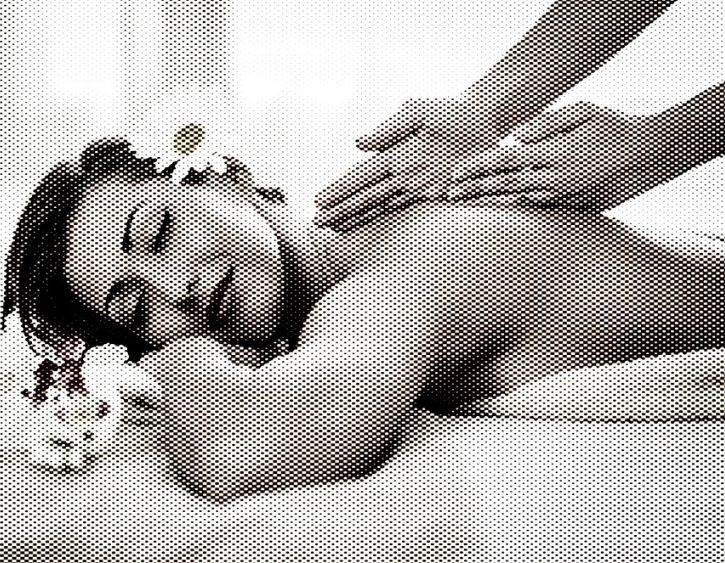
Massage therapy represents a powerful healing modality that combines scientific principles with artistic application to deliver comprehensive physical, mental, and emotional benefits. This summary provides an evidence-based overview of massage therapy while focusing on practical applications and actionable insights.
Key Takeaways
Massage therapy works through multiple biological mechanisms including cellular mechanotransduction, neurophysiological pathways, inflammation resolution, and vascular/lymphatic enhancement. These processes explain why massage effectively accelerates muscle recovery, reduces inflammation, provides pain relief, and enhances psychological well-being. The integration of proper techniques, assessment protocols, and personalized approaches makes massage a versatile tool for wellness, rehabilitation, and performance enhancement.
Scientific Foundations of Massage
Cellular and Molecular Mechanisms
Massage exerts its effects through mechanotransduction - the conversion of mechanical stimuli into biochemical signals. When pressure is applied during massage, it activates integrin receptors that trigger signaling cascades affecting protein synthesis, inflammation, and tissue repair.This mechanical loading also increases mitochondrial biogenesis, improving ATP production and cellular energy management.
Optimal pressure (approximately 4.5N) modulates matrix metalloproteinases that help:
Degrade fibrotic collagen deposits
Restore tissue elasticity
Facilitate satellite cell migration to injury sites
Neurophysiological Effects
Massage produces measurable changes in central nervous system function through:
Default Mode Network Modulation: Swedish massage increases activity in brain regions that regulate emotional processing and stress response, correlating with reduced cortisol secretion (31%) and increased serotonin/dopamine levels (22%).
Pain Pathway Inhibition: Deep pressure activates mechanoreceptors that block pain signals through gate control mechanisms and stimulates descending pain modulation pathways that release endogenous opioids.
Inflammation and Circulation
Massage accelerates inflammatory resolution by:
Regulating neutrophil activity
Promoting anti-inflammatory macrophage phenotypes
Balancing pro-inflammatory and pro-resolution cytokines
Rhythmic compression enhances fluid dynamics through lymphatic pump mechanisms and vasoactive responses, increasing lymph flow and improving blood circulation with 23% more perfused vessels post-massage.
Fundamental Massage Techniques
Swedish Massage Foundations
Swedish massage forms the basis of most Western approaches and includes five core techniques:
Effleurage: Long, gliding strokes directed toward the heart to encourage venous return
Petrissage: Kneading movements that lift, roll, and compress tissues
Friction: Circular or transverse pressures that create surface tension and generate heat
Vibration: Oscillatory movements that release tension and stimulate the nervous system
Tapotement: Brisk hacking, cupping, or tapping movements that invigorate tissues
Specialized Approaches
Beyond Swedish massage, specialized techniques address specific needs:
Myofascial Release for fascial tension
Trigger Point Therapy for hyperirritable spots in muscles
Sports Massage for athletic preparation and recovery
Deep Tissue Massage for deeper muscle and fascia layers
Manual Lymphatic Drainage for stimulating lymph flow and reducing edema
Client-Centered Assessment and Planning
Initial Assessment
Every effective massage begins with thorough assessment:
Medical history review
Current pain/condition assessment using 0-10 scales
Physical examination of posture, range of motion, and muscle tone
Collaborative goal setting with measurable objectives
Customized Treatment Planning
Personalize massage therapy by:
Selecting appropriate techniques based on assessment findings
Planning treatment intensity considering client comfort and goals
Scheduling session frequency based on condition and response
Developing complementary self-care strategies
Execution Excellence
Environment Preparation
Create an optimal healing space with:
Clean, comfortable room with appropriate temperature and lighting
Quality equipment including proper table and face cradle support
Calming ambiance with pleasant, non-overwhelming scents
Impeccable hygiene standards with fresh linens and sanitized surfaces
Effective Communication
Build rapport through:
Clear initial consultation with open-ended questions
Active listening to verbal and non-verbal cues
Regular feedback checks about pressure and comfort
Explicit instructions about positioning and expectations
Proper Technique Application
Ensure effectiveness and therapist longevity through:
Proper body positioning using center of gravity for leverage
Weight transfer rather than muscle strength for pressure
Smooth transitions between techniques and body areas
Pressure adaptation based on tissue response and feedback
Common Mistakes and Solutions
Technical Errors
Avoid these common technical pitfalls:
Poor Body Mechanics: Use core strength and body weight instead of arm strength
Inconsistent Pressure: Develop consistent application through practice and awareness
Rushing: Allow adequate time for tissues to respond before moving on
Skipping Warm-up: Always start with warming techniques before deeper work
Communication Issues
Prevent communication problems by:
Conducting thorough client intake
Establishing clear expectations about treatment goals
Addressing undisclosed injuries through specific questioning
Regularly checking in about pressure and comfort
Professional Practice Mistakes
Ensure long-term success by:
Prioritizing self-care to prevent burnout
Setting appropriate pricing that reflects expertise
Managing time effectively with punctual sessions
Continuing education to stay current with techniques and research
Implementation Strategies
Personal Wellness Applications
For individuals incorporating massage into wellness routines:
Schedule regular sessions (1-4 times monthly) based on needs
Match massage types to specific goals
Learn basic self-massage techniques for between-session maintenance
Combine with complementary practices like stretching and hydration
Athletic Applications
For sports and athletic programs:
Schedule energizing sessions 2-3 days before competition
Provide recovery-focused massage within 2-48 hours post-competition
Implement regular maintenance during training phases
Develop targeted protocols for specific sports injuries
Special Populations
Adapt approaches for:
Pediatric clients: Modify pressure and incorporate playful elements
Geriatric clients: Use gentler pressure and address circulation issues
Prenatal clients: Position safely (typically side-lying after first trimester)
Progress Evaluation
Track effectiveness through:
Pain and symptom scales (0-10)
Functional assessments of specific activities
Range of motion measurements
Client self-reports about daily functioning
Adjust treatment plans based on:
Session-to-session tissue response
Progress toward established goals
New or changing symptoms
Client feedback about beneficial aspects
Practical Applications
Massage therapy has demonstrated effectiveness across various contexts:
Pediatric Developmental Support: Children with developmental delays show improved motor skills and sensory processing
Chronic Pain Management: Complementary approach for conditions like juvenile arthritis
Sports Recovery: Accelerated recovery, reduced soreness, improved range of motion, and enhanced performance
Stress Reduction: Decreased cortisol levels and improved parasympathetic response
By implementing these evidence-based approaches while maintaining a client-centered focus, both practitioners and recipients can maximize the profound healing potential of skilled massage therapy.
Massage therapy represents a powerful healing modality that combines scientific principles with artistic application to deliver comprehensive physical, mental, and emotional benefits. This summary provides an evidence-based overview of massage therapy while focusing on practical applications and actionable insights.
Key Takeaways
Massage therapy works through multiple biological mechanisms including cellular mechanotransduction, neurophysiological pathways, inflammation resolution, and vascular/lymphatic enhancement. These processes explain why massage effectively accelerates muscle recovery, reduces inflammation, provides pain relief, and enhances psychological well-being. The integration of proper techniques, assessment protocols, and personalized approaches makes massage a versatile tool for wellness, rehabilitation, and performance enhancement.
Scientific Foundations of Massage
Cellular and Molecular Mechanisms
Massage exerts its effects through mechanotransduction - the conversion of mechanical stimuli into biochemical signals. When pressure is applied during massage, it activates integrin receptors that trigger signaling cascades affecting protein synthesis, inflammation, and tissue repair.This mechanical loading also increases mitochondrial biogenesis, improving ATP production and cellular energy management.
Optimal pressure (approximately 4.5N) modulates matrix metalloproteinases that help:
Degrade fibrotic collagen deposits
Restore tissue elasticity
Facilitate satellite cell migration to injury sites
Neurophysiological Effects
Massage produces measurable changes in central nervous system function through:
Default Mode Network Modulation: Swedish massage increases activity in brain regions that regulate emotional processing and stress response, correlating with reduced cortisol secretion (31%) and increased serotonin/dopamine levels (22%).
Pain Pathway Inhibition: Deep pressure activates mechanoreceptors that block pain signals through gate control mechanisms and stimulates descending pain modulation pathways that release endogenous opioids.
Inflammation and Circulation
Massage accelerates inflammatory resolution by:
Regulating neutrophil activity
Promoting anti-inflammatory macrophage phenotypes
Balancing pro-inflammatory and pro-resolution cytokines
Rhythmic compression enhances fluid dynamics through lymphatic pump mechanisms and vasoactive responses, increasing lymph flow and improving blood circulation with 23% more perfused vessels post-massage.
Fundamental Massage Techniques
Swedish Massage Foundations
Swedish massage forms the basis of most Western approaches and includes five core techniques:
Effleurage: Long, gliding strokes directed toward the heart to encourage venous return
Petrissage: Kneading movements that lift, roll, and compress tissues
Friction: Circular or transverse pressures that create surface tension and generate heat
Vibration: Oscillatory movements that release tension and stimulate the nervous system
Tapotement: Brisk hacking, cupping, or tapping movements that invigorate tissues
Specialized Approaches
Beyond Swedish massage, specialized techniques address specific needs:
Myofascial Release for fascial tension
Trigger Point Therapy for hyperirritable spots in muscles
Sports Massage for athletic preparation and recovery
Deep Tissue Massage for deeper muscle and fascia layers
Manual Lymphatic Drainage for stimulating lymph flow and reducing edema
Client-Centered Assessment and Planning
Initial Assessment
Every effective massage begins with thorough assessment:
Medical history review
Current pain/condition assessment using 0-10 scales
Physical examination of posture, range of motion, and muscle tone
Collaborative goal setting with measurable objectives
Customized Treatment Planning
Personalize massage therapy by:
Selecting appropriate techniques based on assessment findings
Planning treatment intensity considering client comfort and goals
Scheduling session frequency based on condition and response
Developing complementary self-care strategies
Execution Excellence
Environment Preparation
Create an optimal healing space with:
Clean, comfortable room with appropriate temperature and lighting
Quality equipment including proper table and face cradle support
Calming ambiance with pleasant, non-overwhelming scents
Impeccable hygiene standards with fresh linens and sanitized surfaces
Effective Communication
Build rapport through:
Clear initial consultation with open-ended questions
Active listening to verbal and non-verbal cues
Regular feedback checks about pressure and comfort
Explicit instructions about positioning and expectations
Proper Technique Application
Ensure effectiveness and therapist longevity through:
Proper body positioning using center of gravity for leverage
Weight transfer rather than muscle strength for pressure
Smooth transitions between techniques and body areas
Pressure adaptation based on tissue response and feedback
Common Mistakes and Solutions
Technical Errors
Avoid these common technical pitfalls:
Poor Body Mechanics: Use core strength and body weight instead of arm strength
Inconsistent Pressure: Develop consistent application through practice and awareness
Rushing: Allow adequate time for tissues to respond before moving on
Skipping Warm-up: Always start with warming techniques before deeper work
Communication Issues
Prevent communication problems by:
Conducting thorough client intake
Establishing clear expectations about treatment goals
Addressing undisclosed injuries through specific questioning
Regularly checking in about pressure and comfort
Professional Practice Mistakes
Ensure long-term success by:
Prioritizing self-care to prevent burnout
Setting appropriate pricing that reflects expertise
Managing time effectively with punctual sessions
Continuing education to stay current with techniques and research
Implementation Strategies
Personal Wellness Applications
For individuals incorporating massage into wellness routines:
Schedule regular sessions (1-4 times monthly) based on needs
Match massage types to specific goals
Learn basic self-massage techniques for between-session maintenance
Combine with complementary practices like stretching and hydration
Athletic Applications
For sports and athletic programs:
Schedule energizing sessions 2-3 days before competition
Provide recovery-focused massage within 2-48 hours post-competition
Implement regular maintenance during training phases
Develop targeted protocols for specific sports injuries
Special Populations
Adapt approaches for:
Pediatric clients: Modify pressure and incorporate playful elements
Geriatric clients: Use gentler pressure and address circulation issues
Prenatal clients: Position safely (typically side-lying after first trimester)
Progress Evaluation
Track effectiveness through:
Pain and symptom scales (0-10)
Functional assessments of specific activities
Range of motion measurements
Client self-reports about daily functioning
Adjust treatment plans based on:
Session-to-session tissue response
Progress toward established goals
New or changing symptoms
Client feedback about beneficial aspects
Practical Applications
Massage therapy has demonstrated effectiveness across various contexts:
Pediatric Developmental Support: Children with developmental delays show improved motor skills and sensory processing
Chronic Pain Management: Complementary approach for conditions like juvenile arthritis
Sports Recovery: Accelerated recovery, reduced soreness, improved range of motion, and enhanced performance
Stress Reduction: Decreased cortisol levels and improved parasympathetic response
By implementing these evidence-based approaches while maintaining a client-centered focus, both practitioners and recipients can maximize the profound healing potential of skilled massage therapy.